Guide
A Game Room Lighting Plan
A room lit only by a table light is a bad room. Three layers, in this order.
How these picks were made: from published manufacturer specifications, governing-body standards and the room arithmetic - not from first-hand use. We have not played on these tables. Read the method.
Most game rooms have one light over the table and nothing else, and they are uncomfortable to be in. Your eyes adjust to the bright playing surface and everything beyond it reads as black, which makes the room feel smaller and darker than it is.
The fix is three layers, and the order matters because each one solves a problem the previous one creates.
Layer one: the table
Even light across the playing surface, 30 to 36 inches above the cloth, at 3000 to 4000 K. Three shades for a pool table, or a linear fixture. This is the layer that makes the game playable and it is the one nearly everybody gets right.
For a shuffleboard, light the full length of the board rather than the middle - a dim far end makes distance judgment harder. For air hockey and foosball the table's own lighting usually suffices. Table light detail here.
Layer two: ambient
Light the room, not the table. The target is enough light that your eyes are not adapting between the surface and the rest of the room - roughly a quarter to a third of the table light's intensity.
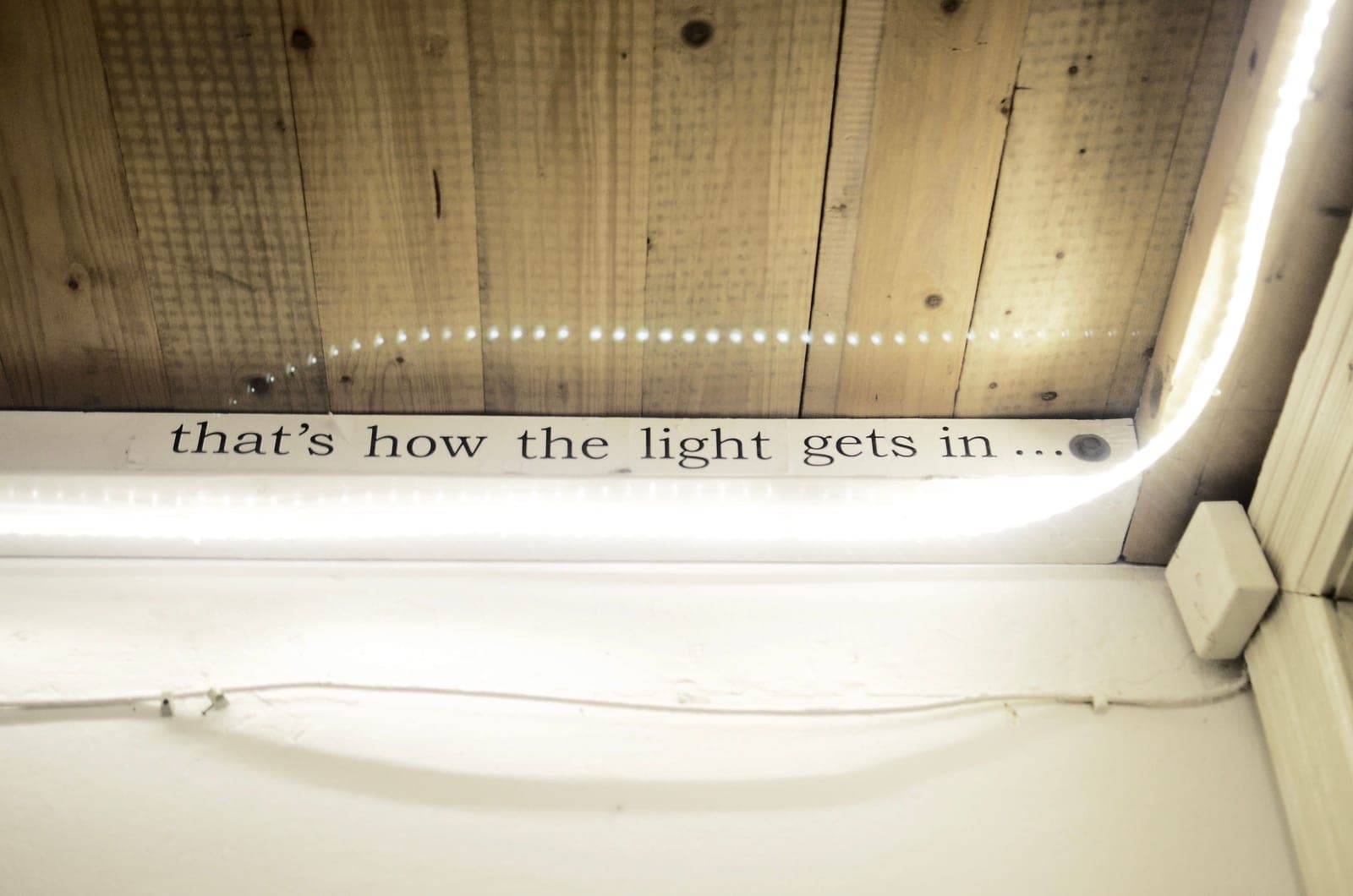
- Perimeter or cove LED along the ceiling edge. Cheap, effective, and invisible as a fixture.
- Wall sconces or uplighters, which bounce light off the ceiling and avoid any direct glare.
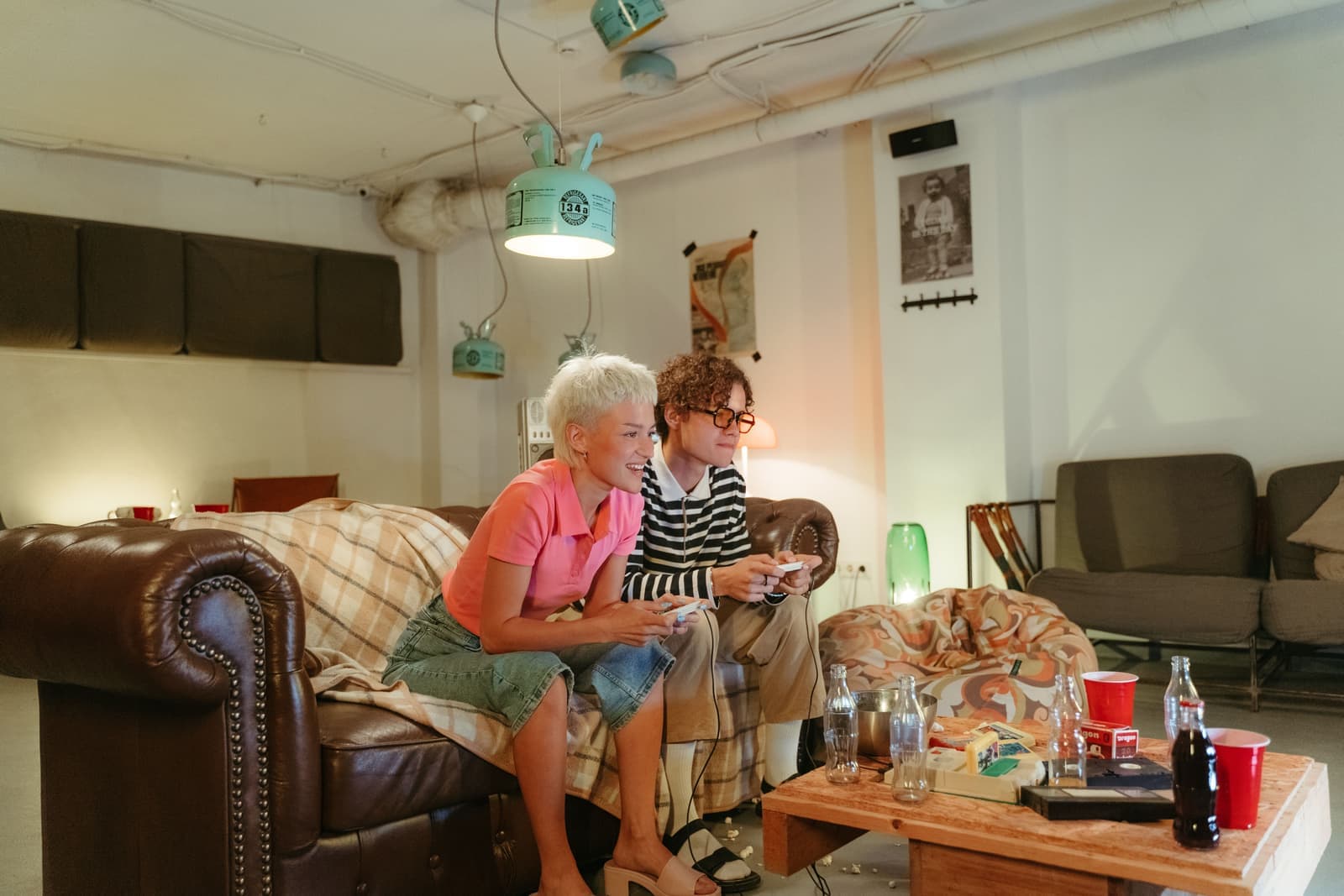
- Floor lamps in the seating area. Easy, and they can be moved when the room changes.
- Not a bright central ceiling fixture, which flattens the room and competes with the table light.
Layer three: task
Specific things that need their own light, each with its own problem:
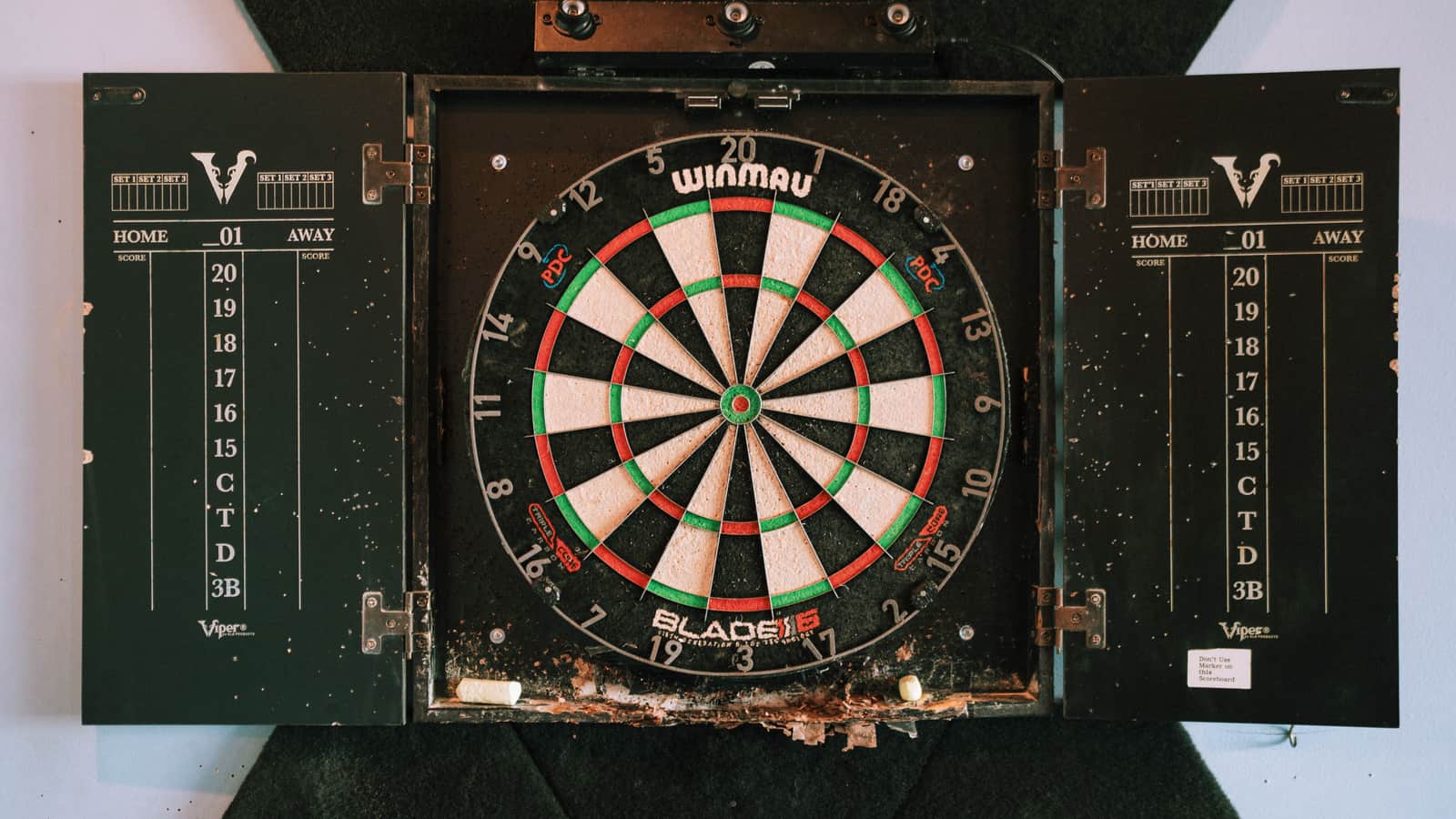
- The dart board. A ceiling light behind the thrower casts their shadow onto the board. Light it from its own plane - a lit cabinet or a fixture above and in front of the board.
- An arcade cabinet. Avoid light falling directly on the screen. A cabinet facing a window or a bright fixture is washed out and unplayable.
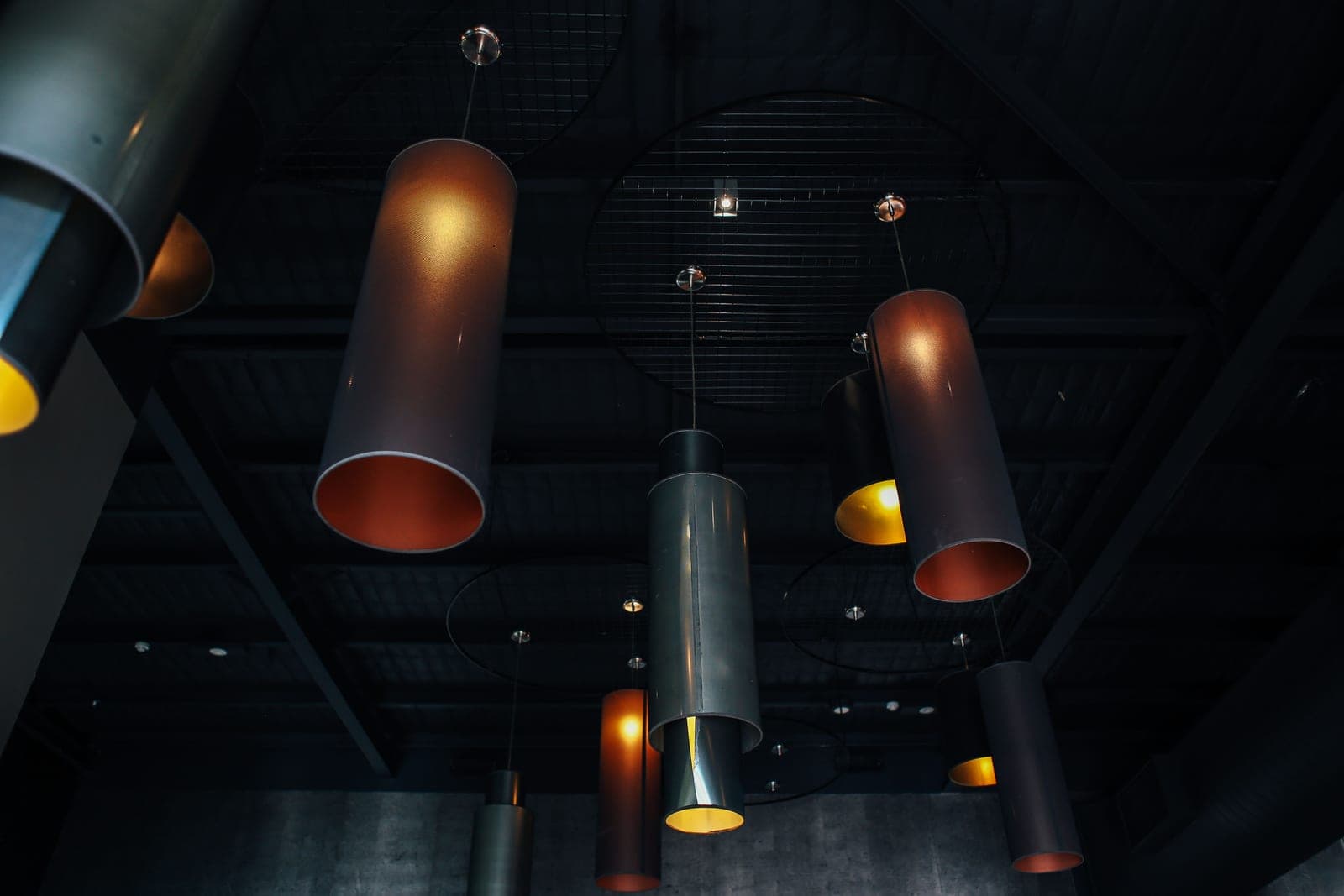
- A bar or counter. Pendants at counter height, outside any cue swing.
- The stairs. Not glamorous, and the thing people forget in a basement they will leave in the dark.
Controls
- Separate switches per layer. Being able to run ambient without the table light, and vice versa, is what makes the room usable for more than one activity.
- Dimmers on the ambient layer at minimum. Check LED dimmer compatibility - a flickering fixture in a game room is genuinely unpleasant.
- A switch at each entrance if the room has two ways in. In a basement this is the difference between using the room and not.
- Keep the table light on its own switch, so it can be off when the room is being used for something else.
Quick picks
| # | Product | Best for | Key spec | Price |
|---|---|---|---|---|
| 1 | 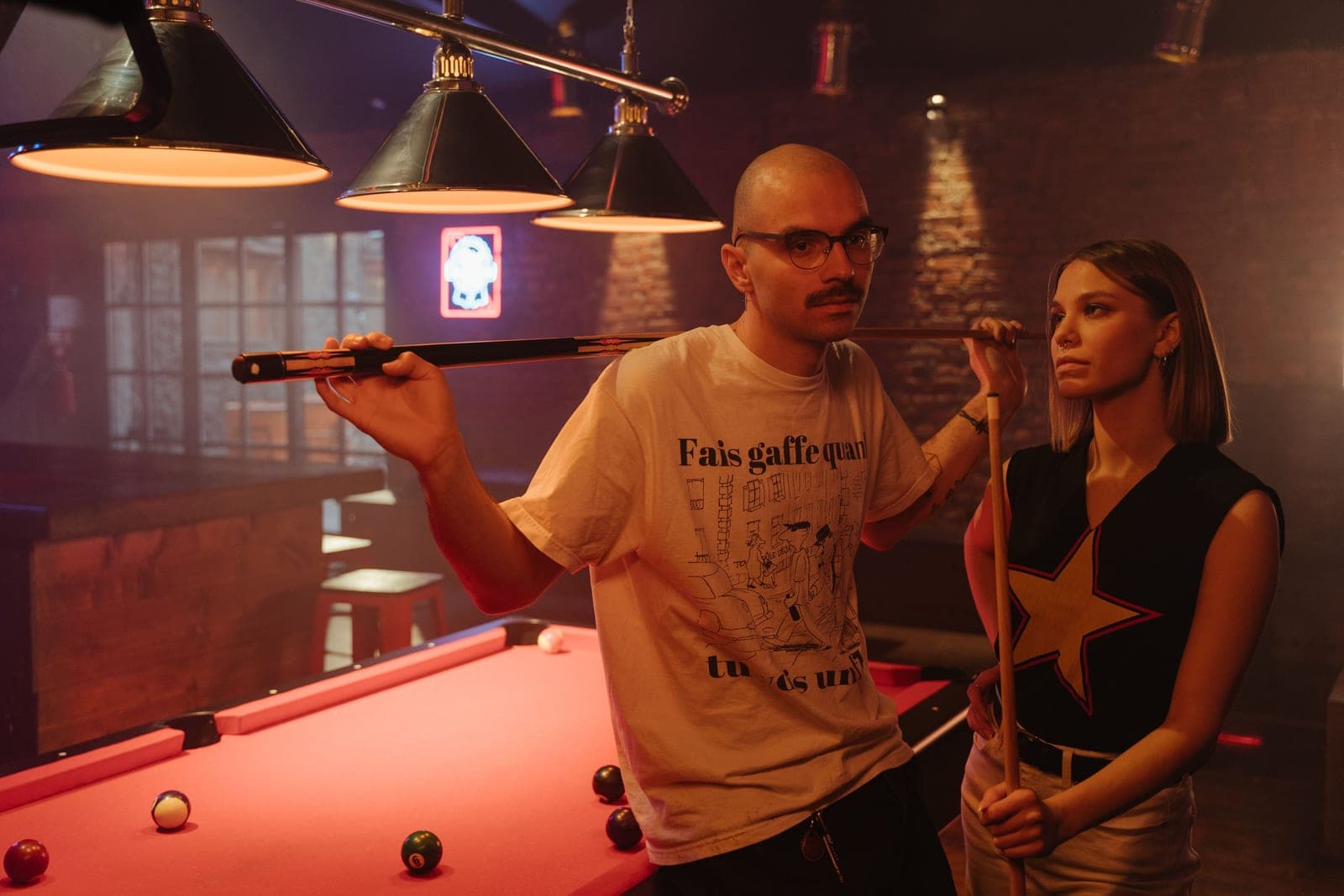 Hathaway 3-Shade Billiard Table Light | Layer one, the table | 3 shades | |
| 2 | Govee RGBIC LED Strip Light | Layer two, ambient | Perimeter LED | |
| 3 | Linear LED Pool Table Light Bar | A low-ceiling table layer | Flat linear | |
| 4 |  Viper Metropolitan Dartboard Cabinet with LED Light | Layer three, task | Lit dart cabinet |
A product for each layer
#1 · Layer one, the table
Hathaway 3-Shade Billiard Table Light
A three-shade bar fixture, the default pool-table light. Three shades are what get you even coverage over an 8-foot bed.
Even coverage along the table's length is the foundation everything else works around.
- What works
- Correct coverage for a 7 or 8 ft table
- What does not
- Needs ceiling height
#2 · Layer two, ambient
Govee RGBIC LED Strip Light
Perimeter or cove lighting for the room, not the table. Keep color off the playing surface — it changes how the balls read.
Perimeter or cove lighting lifts the room out of darkness without touching the playing surface.
- What works
- Transforms a basement cheaply
- Dimmable and color-controllable
- What does not
- Must stay off the table
#3 · A low-ceiling table layer
Linear LED Pool Table Light Bar
A single linear LED bar instead of shades. Cheaper, brighter, and a better fit under a low basement ceiling.
Where a pendant cannot hang, a flat linear fixture does the table layer's job.
- What works
- No fixture in the eyeline
- What does not
- Modern appearance
#4 · Layer three, task
Viper Metropolitan Dartboard Cabinet with LED Light
A cabinet with integrated lighting, which solves the real problem: a ceiling light behind you puts your own shadow on the board.
Lighting the dart board from its own plane is a task-light problem, and a lit cabinet solves it in one purchase.
- What works
- Removes the thrower's shadow
- What does not
- Needs an outlet
Method and sources
The 520 lux uniform requirement on a playing surface is the World Pool-Billiard Association specification. The layer structure is standard lighting-design practice applied to this room type; the ambient ratio is a working guideline rather than a published standard.