Picks
The Best Shuffleboard Wax and Powder
It is not wax, it is not sand, and the number on the can is the manufacturer's own opinion. Here is what to buy for your board, and why nobody can give you a chart.
How these picks were made: from published manufacturer specifications, governing-body standards and the room arithmetic - not from first-hand use. We have not played on these tables. Read the method.
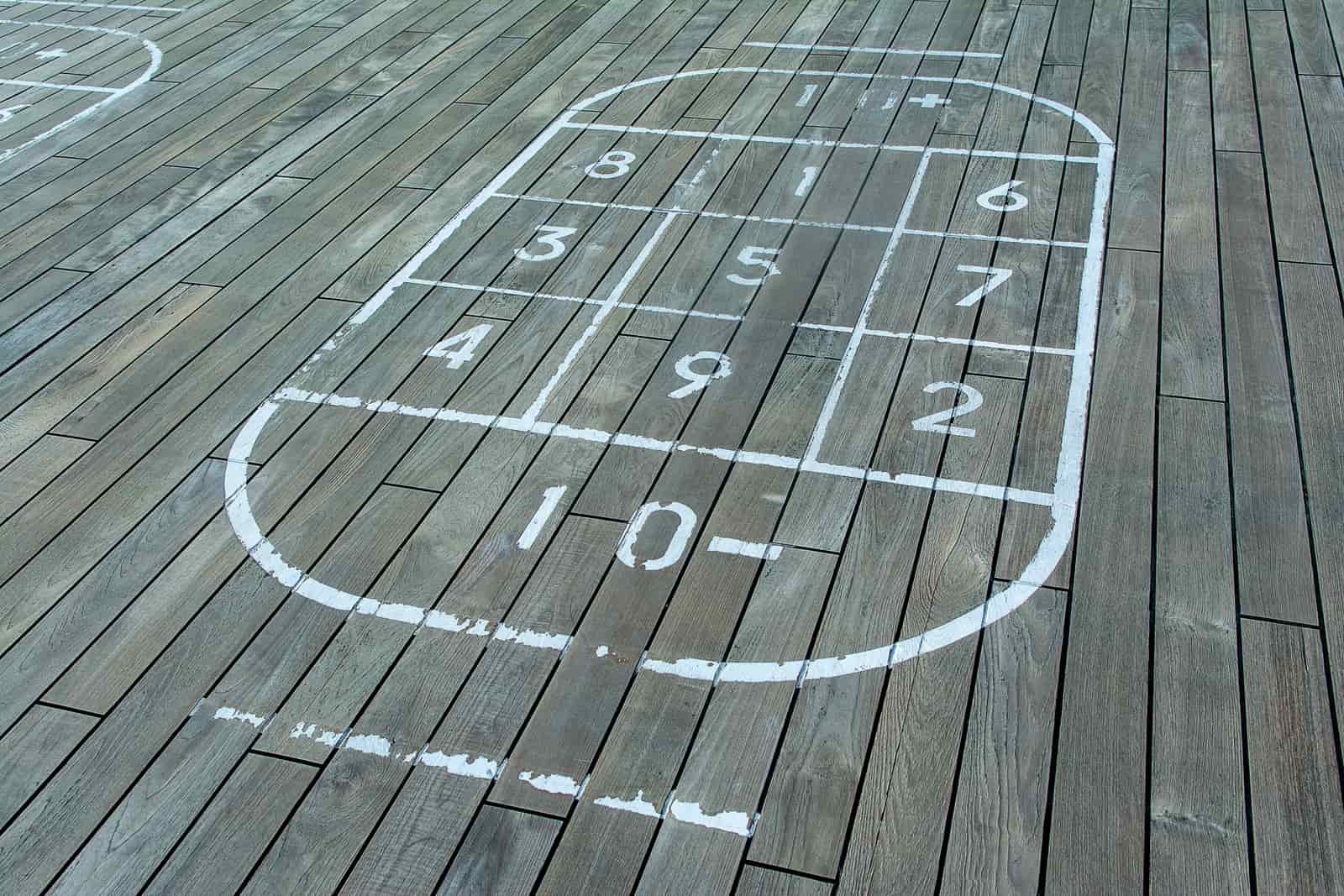
Shuffleboard powder is the only consumable in a game room that the game does not work without. A pool table plays badly with worn cloth; a dart board plays fine with scuffed sisal. A shuffleboard with nothing on it does not play at all - the puck travels a couple of feet and stops, and a new owner spends an evening convinced the table is faulty.
So this is a mandatory purchase rather than an upgrade, which makes it worth getting right. The problem is that the category is sold on a number that nobody defines, and the recommendations attached to that number contradict each other from one retailer to the next. This page is organized around that fact instead of pretending otherwise.
What the stuff actually is
It is not wax and it is not sand, which are the two words the category is sold under. It is tiny beads - silicone-coated, and Cannon Sports' own listing describes its product as a silicone-bead, non-abrasive formula - scattered across a polished board so the puck rides on top of them instead of dragging on the wood. The beads are ball bearings in the mechanical sense: the puck is not sliding, it is rolling on a loose layer.
That has two consequences worth knowing before you buy anything. The first is that the board's finish matters as much as the beads, which is why a silicone spray is on this page alongside five powders. The second is that the beads migrate: every shot pushes them down the board and off the sides, so the layer thins where it is used most and a board needs re-dressing and sweeping as part of normal play, not as maintenance.
The speed numbers, and why there is no chart on this page
Sun-Glo, the dominant brand, numbers its powders. The direction is consistent across every listing we checked: low numbers are fast and high numbers are slow. Speed 1 is sold as 'Super Glide' and described as the fastest powder in the range; the #7 can is the slow end. That much you can rely on.
What you cannot rely on is the table-length recommendation attached to each number, because the retailers do not agree. One stocking retailer lists Speed 2 for 14 to 22 ft tables. For Speed 5, one source says medium-slow and 12 to 16 ft while another says medium-fast and 14 to 22 ft - the same can, two incompatible recommendations. There is no governing body publishing a shuffleboard powder standard the way the WPA publishes a ball specification, so the number is each maker's own internal ladder and the length advice is each seller's own judgment.
| Claim | Status | Source type |
|---|---|---|
| Low numbers are faster, high numbers slower | Consistent across every listing checked | Multiple stocking retailers |
| Speed 1 is the fastest grade ('Super Glide') | Consistent | Retailer listings |
| Speed 2 is used in most tournament play | Stated by a stocking retailer | Single retailer listing |
| A given number maps to a given table length | Sources contradict each other | Conflicting retailer listings |
| A published, audited speed standard exists | No evidence found | None |
Quick picks
| # | Product | Best for | Grade | Price |
|---|---|---|---|---|
| 1 | Sun-Glo Speed 2 Tournament Gold Shuffleboard Powder | A long board and a serious player | Fast, 16 oz | |
| 2 | 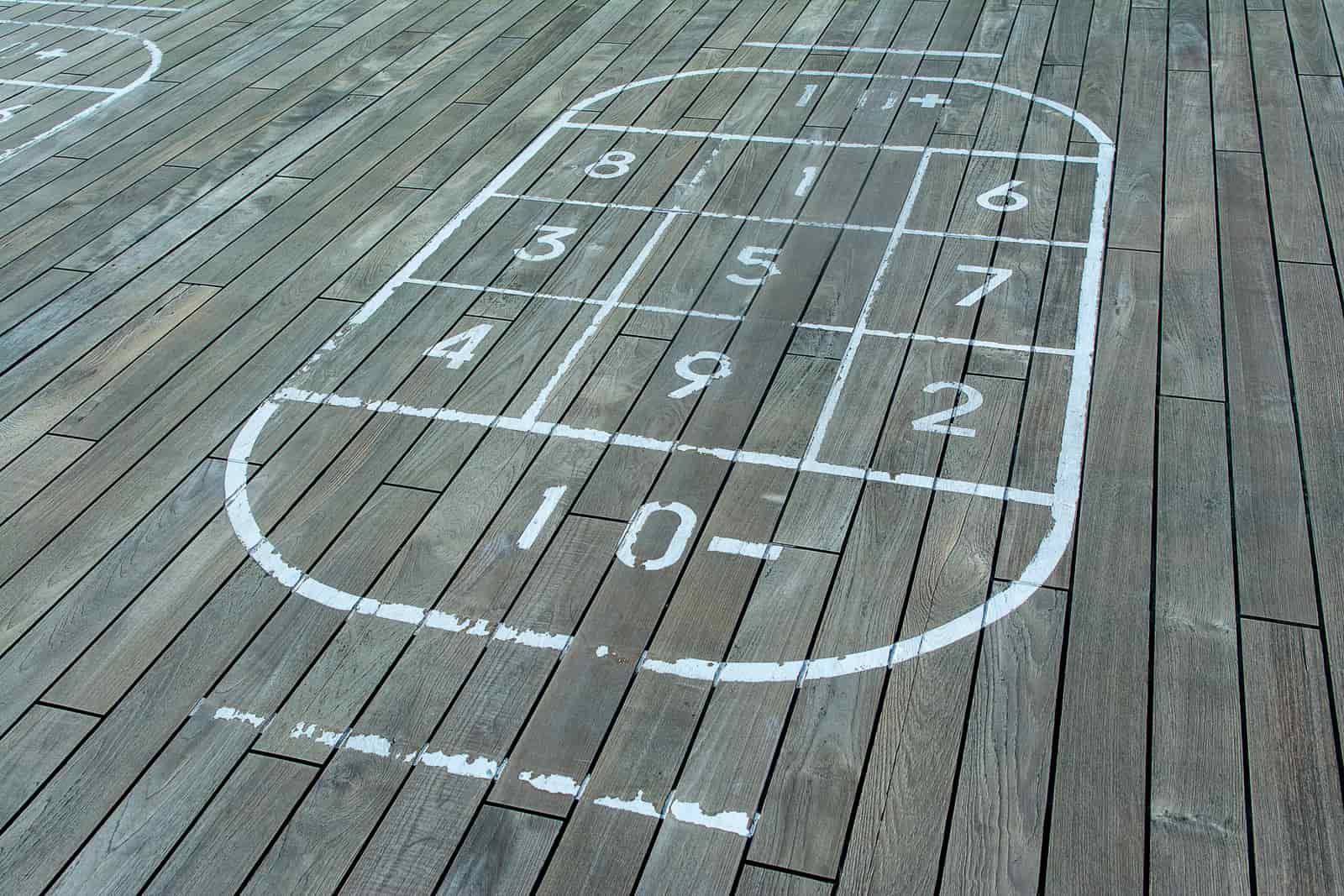 Sun-Glo Speed 5 Five Star Shuffleboard Powder | Most home boards, as a starting point | Medium, 16 oz | |
| 3 |  Sun-Glo #7 Speed Shuffleboard Powder Wax | A short board, or anyone learning | Slow, numbered 7 | |
| 4 | Sun-Glo Silicone Shuffleboard Spray, 12 oz | The step everybody skips | Board treatment, 12 oz | |
| 5 | Zieglerworld Triple Crown Shuffleboard Powder Wax | Comparing against Sun-Glo | Named grades | |
| 6 | Cannon Sports Shuffleboard Powder Wax, 2-Pack | Testing two speeds for the price of one | Fast / medium / slow, 2-pack |
The cans
Six products across three brands: three Sun-Glo grades spanning fast to slow, the silicone spray that conditions the board underneath them, a second brand to test against, and the cheap two-pack that lets you run the speed trial properly.
#1 · A long board and a serious player
Sun-Glo Speed 2 Tournament Gold Shuffleboard Powder
A 16 oz can at the fast end of Sun-Glo's scale. Retailers list it for 14 to 22 ft tables and describe it as the grade used in most tournament play.
The fast end of the range that most tournament play runs on. Sun-Glo numbers its powders and the low numbers are the fast ones - Speed 1 is sold as 'Super Glide' and is the quickest it makes - so a 2 is a genuinely quick can. The retailer listing we checked recommends it for 14 to 22 ft tables, which is the sensible read: a fast powder on a long board gives you a puck that reaches the far end without being thrown, and on a 9 ft board the same can makes every shot slide off the end. Buy this if your board is long and the people playing on it can already hang a puck.
- What works
- The grade most tournament play actually uses, which is a real reference point rather than a marketing line
- Published 16 oz can size, so you can work out how long it lasts against the cheaper bulk tins
- A fast board rewards touch, which is the version of the game better players want
- What does not
- Wrong on a short board - the puck goes off the end and the game stops being fun
- Unforgiving for a new player, who needs a slow board to learn weight on
- Specialist billiards and game room retail rather than everywhere, so stock moves
Skip it if: your board is 9 or 12 ft, or the people playing on it are learning. Start slow and work up.
#2 · Most home boards, as a starting point
Sun-Glo Speed 5 Five Star Shuffleboard Powder
The middle of the range, and the can most home boards end up on. Retailer descriptions of its exact speed disagree, which is the category in one line.
The middle of Sun-Glo's numbered range, and the can we would put on an unknown board first. It is also the single best illustration of why this page has no speed chart: of the two stocking retailers we checked, one describes Speed 5 as a medium-slow powder for 12 to 16 ft tables and the other describes it as medium-fast and ideal for 14 to 22 ft. Those are not compatible recommendations for the same can, and that is normal in this category. What is consistent is its position in the range - middle - which makes it the right place to start before you decide whether your board wants faster or slower.
- What works
- Middle of the range, which is where an unknown board should start
- Widely stocked, usually the easiest Sun-Glo grade to find in a single can
- Leaves room to move in either direction once you know how your board plays
- What does not
- Retailer descriptions of its exact speed contradict each other, so you are buying a position not a number
- A medium board suits nobody perfectly - it is a starting point, not a destination
- On a very long board some players will find it slow from day one
#3 · A short board, or anyone learning
Sun-Glo #7 Speed Shuffleboard Powder Wax
The slow end of Sun-Glo's numbered range. The can to buy for a short board, a new player, or a board that already runs fast.
The slow end of Sun-Glo's numbers and the can most new owners should actually start on. A slow powder means the puck needs a real push to travel, which does two useful things: it keeps pucks on a 9 or 12 ft board instead of launching them into the wall, and it makes weight control learnable, because the difference between a good push and a hard one is visible rather than catastrophic. If your board is short, if children play on it, or if your current powder has everyone overshooting, this is the correction.
- What works
- Keeps pucks on a short board, which is the single most common complaint about a new table
- A slow board teaches weight control, because the feedback is proportional
- Sold in multi-can packs as well as singles, so a board that gets played hard can be stocked up
- What does not
- Slow boards frustrate players who already have touch
- You will use more of it per game than a fast grade - a slow board gets swept and re-dressed more
- If your board's finish is worn, a slow powder makes the drag worse rather than better
#4 · The step everybody skips
Sun-Glo Silicone Shuffleboard Spray, 12 oz
Not a powder. It conditions the board finish the beads then slide on, and it is the half of the routine most owners skip.
Not a powder, and the reason a lot of boards play badly with perfectly good powder on them. The beads do not slide on wood - they slide on the board's finish, and that finish needs conditioning. This is the can that does it: a silicone spray applied to the playing surface, which the powder then sits on. Buy it with your first powder rather than after your third, because the symptom of a dry, unconditioned board is exactly the symptom of the wrong powder speed - a puck that drags and stops short - and people replace the powder three times before they work that out.
- What works
- Fixes the fault most often misdiagnosed as 'wrong powder speed'
- One 12 oz can treats a board many times over, so the cost per session is negligible
- Makes the powder you already own behave consistently from end to end of the board
- What does not
- Easy to overdo - too much makes the surface greasy rather than fast, and it has to be cleaned off
- It is a second purchase people resent making, because it is not the thing they went shopping for
- Stock is intermittent at the specialists, and it is often sold in bundles with a powder you did not pick
#5 · Comparing against Sun-Glo
Zieglerworld Triple Crown Shuffleboard Powder Wax
The main alternative name in the category, sold in named grades (Yellow Ice, White Ice) rather than Sun-Glo's numbers.
The main alternative name in a category Sun-Glo dominates, and worth knowing about for one specific reason: it labels its grades with names - Yellow Ice, White Ice and so on - rather than Sun-Glo's numbers. That sounds like a trivial difference and it is actually the honest one, because a named grade does not pretend to sit at a precise point on a scale that no standards body defines. If your board is already running on a Sun-Glo number and you want to know whether the powder or the board is the problem, a can from a different maker is a cheap and genuinely informative test.
- What works
- A second brand to test against, which is the fastest way to tell a powder problem from a board problem
- Named grades rather than numbers, which is a more honest description of what is being sold
- Sold in multi-can packs, so a club or a hard-played home board can buy it in quantity
- What does not
- Named grades cannot be mapped onto Sun-Glo's numbers, so you are starting the trial again
- Thinner retail presence than Sun-Glo, and individual grades come and go
- Mixing brands on a board mid-season muddies whatever you were trying to learn
#6 · Testing two speeds for the price of one
Cannon Sports Shuffleboard Powder Wax, 2-Pack
Sold as a silicone-bead, non-abrasive powder in fast, medium and slow, two cans to a pack. The cheap way to test two speeds at once.
The budget pick, and the one we would hand a new owner. Cannon Sports sells its powder as a silicone-bead, non-abrasive formula in fast, medium and slow rather than numbers, two cans to a pack, at the cheap end of the category. Two cans is the point. Finding your board's speed is a trial-and-error job that nobody can do for you from a chart, and the cheapest way to run that trial is to own two grades and switch between them over a couple of evenings. Buy this, work out which direction your board wants, then spend money on a single can of the grade you settled on.
- What works
- Two cans in a pack, which is exactly how the speed decision actually gets made
- Fast, medium and slow in plain words rather than a number you have to decode
- The cheapest entry in the category by a clear margin, and also sold in kits with pucks and a brush
- What does not
- Plain-word grades give you no way to compare against the numbered brands
- A marketplace brand rather than a game room name, so expect less consistency can to can
- Kits bundle a brush and pucks you may not want or may already own
Skip it if: you already know your board's grade. At that point buy a single can of it and stop experimenting.
How these were chosen
We have not timed pucks, measured glide distance or run comparative wear tests, and this site publishes no scores, star ratings or review counts, because it has not tested anything and will not imply that it has. Every grade, can size, material description and table-length recommendation below came from a manufacturer's or a stocking US retailer's own published listing, each checked as currently sold while this page was written - and where two of those listings disagreed, the page says so instead of picking one.
- The grade is named as the maker names it. A Sun-Glo number, a Zieglerworld name, or Cannon Sports' fast/medium/slow. None of them is converted into another brand's scale, because there is no conversion.
- Can size where the maker publishes it. 16 oz powders and a 12 oz spray. A tin sold without a stated weight cannot be compared on cost per evening.
- One product per job, not one per price point. A fast grade, a medium, a slow, the board treatment, a second brand for comparison, and a two-pack for the trial.
- No speed chart. The table-length recommendations published by retailers contradict each other, so this page prints the disagreement rather than inventing a resolution.
- No glide-distance or lifespan numbers. Those circulate on retail listings with no published testing behind them and are not repeated here as fact.
Board length is the first thing to check, not the last
The one piece of guidance everybody agrees on in direction, if not in detail, is that a longer board wants a faster powder and a shorter board wants a slower one. The reasoning is mechanical: a 22 ft board asks the puck to travel nearly twice as far as a 12 ft board for the same scoring result, so a slow layer on a long board means every shot has to be hit hard, and a fast layer on a short board means every shot slides off the end.
That makes your board length the input to this decision, which is this site's standing position on nearly everything. If you have not bought the table yet, 9 ft versus 12 ft versus 14 ft is the page for that choice and the room size guide is the one for whether it fits. If you already own it, measure the playing surface rather than trusting the listing - the nominal length and the playfield are not always the same number.
Climate adjusters change the answer too
A shuffleboard board is a thick slab of hardwood that cups and crowns with humidity, and better tables ship with climate adjusters - threaded rods under the board you turn to flatten it back out. A cupped board channels the puck toward the middle and a crowned one sheds it to the sides, and both of those feel exactly like a powder problem.
So before you buy a third can, check the board is flat. Roll a puck down each side with no powder on the surface and see whether it tracks straight. Climate adjusters explained covers how to read and turn them, and wax and maintenance covers the sweeping and cleaning routine the beads need either way.
How much you get through, and the sweeping
More than people expect, because the beads do not stay where you put them. Each shot pushes a share of them down the board and over the edges, so the layer thins in the middle of the playing lane and builds up in the gutters and on the floor. A board in regular use wants re-dressing within a session and a brush down between them, and that is normal operation rather than a sign of a problem.
The practical implications are two. First, buy a brush at the same time as the powder - the kits that bundle one are not padding, and some of the puck sets bundle the powder and brush together. Second, a slow grade costs more per evening than a fast one, because a slow board gets more powder put on it and more shots taken to score. Neither is a reason to choose differently; it is a reason to buy the can size that matches how much the table actually gets played.
Where powder sits in the spending order
First, and it is not close. A shuffleboard table does not function without it, so this is not an upgrade competing with other upgrades - it is part of the table. The shuffleboard roundup makes the same point about the spray, the powder and the brush all being mandatory rather than optional, and why shuffleboard tables cost what they do notes that the consumables are the cheapest thing in the category and change the feel more than most upgrades.
What it is worth comparing against is the equivalent small purchase on the other tables in the room: a phenolic ball set on a pool table, a box of 3-star balls on a ping pong table, a proper light over a dart board. In every case the cheap consumable changes every shot for everyone playing, and in every case it gets bought last. The one expensive purchase that follows the same logic in reverse is a ping pong robot, which costs real money and changes the game for exactly one person.
Prices, and why there are none on this page
Powder is sold in single cans, twin packs, 6-packs, 24-can cases and bulk tubs, which makes a printed price meaningless without the quantity attached - and the quantities differ by seller. Stock at the specialists also moves week to week, and several of the grades we checked were out of stock at one retailer and in stock at another on the same day. Every button here goes to the live listing instead. In rough brackets: a budget two-pack is one of the cheapest items on this site, a single 16 oz can of a named grade is a low two-figure purchase, the silicone spray sits a little above that, and a 24-can case runs into three figures.
What we have not done
We have not timed a puck, measured glide, or run a season of comparative wear on any of these cans. Every grade, can size, material description and length recommendation above is from a manufacturer's or stocking US retailer's published listing, checked as currently sold while this page was written; where those listings disagreed - and on Speed 5 they flatly do - the disagreement is printed rather than resolved. The judgments are the ones the mechanics support: that the board finish matters as much as the beads, that a longer board wants a faster grade, that owning two grades is the only reliable way to find yours. Where a figure could not be verified, it is not on this page.
Questions people actually ask
What is shuffleboard wax actually made of?
Do lower or higher shuffleboard powder numbers mean faster?
What speed shuffleboard powder should I buy for my table?
Why does my shuffleboard puck stop short even with powder on it?
Do I need silicone spray as well as powder?
How often do you need to add shuffleboard powder?
Can you mix shuffleboard powder brands?
Is cheap shuffleboard powder worse than the brand-name cans?
Sources
- PoolDawg - Sun-Glo Speed 2 Tournament Gold Shuffleboard Powder (16 oz, 14-22 ft recommendation, tournament use)
- Amazon - Cannon Sports Shuffleboard Powder Wax (silicone-bead, non-abrasive formula; fast / medium / slow, 2-pack)
- Amazon - Sun-Glo #7 Speed Shuffleboard Powder Wax (slow end of the numbered range, multi-can pack)
- Seybert's - Sun-Glo Shuffleboard Speed 5 Medium Fast Powder (the conflicting Speed 5 description)
- Monarch Billiards - Sun-Glo Shuffleboard Silicone Spray, 12 oz