Picks
The Best Pool Tables for a Basement
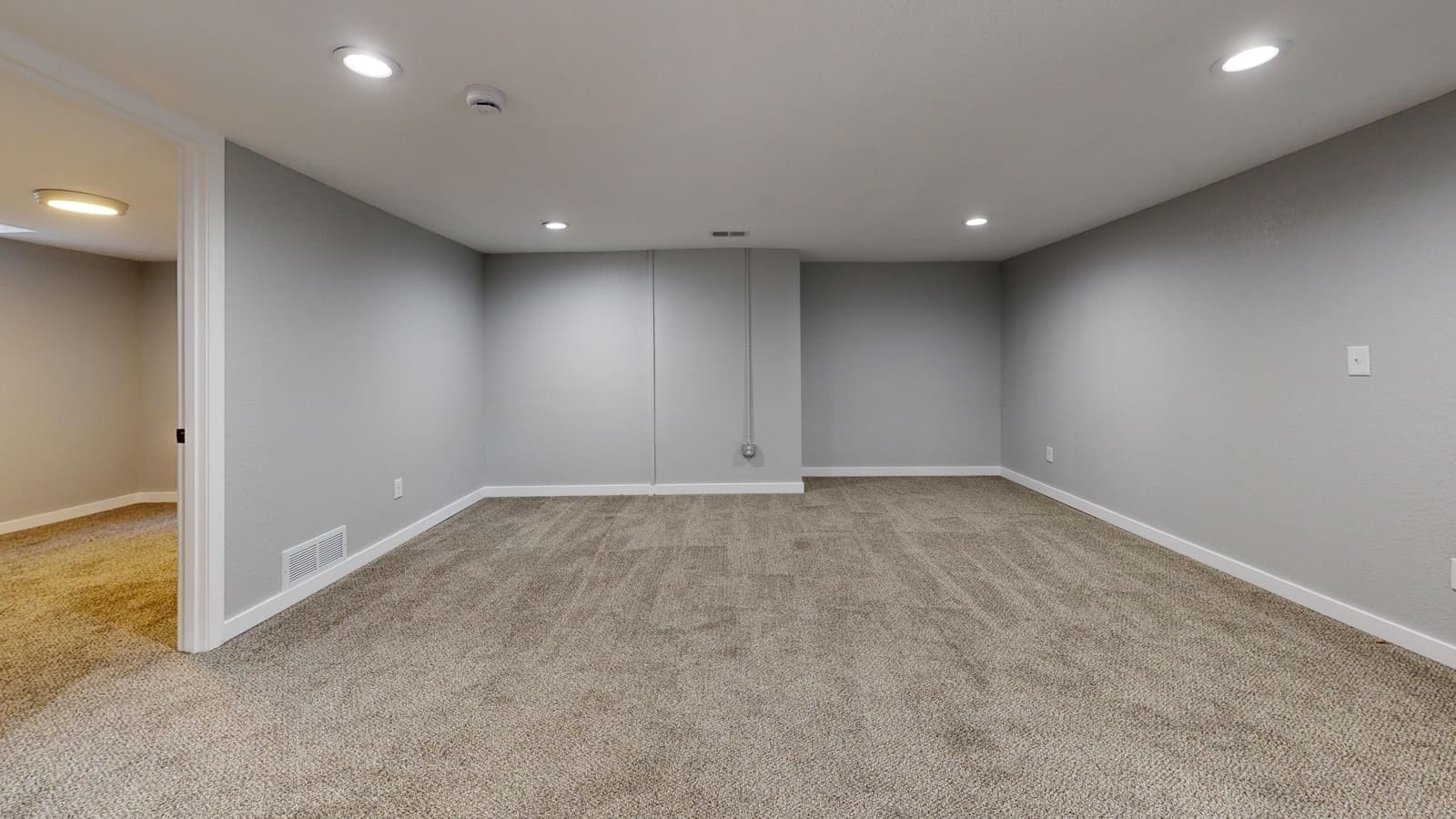
A basement is the best room in the house for a pool table and the hardest one to get a pool table into. The stairwell decides more than the budget does.
How these picks were made: from published manufacturer specifications, governing-body standards and the room arithmetic - not from first-hand use. We have not played on these tables. Read the method.
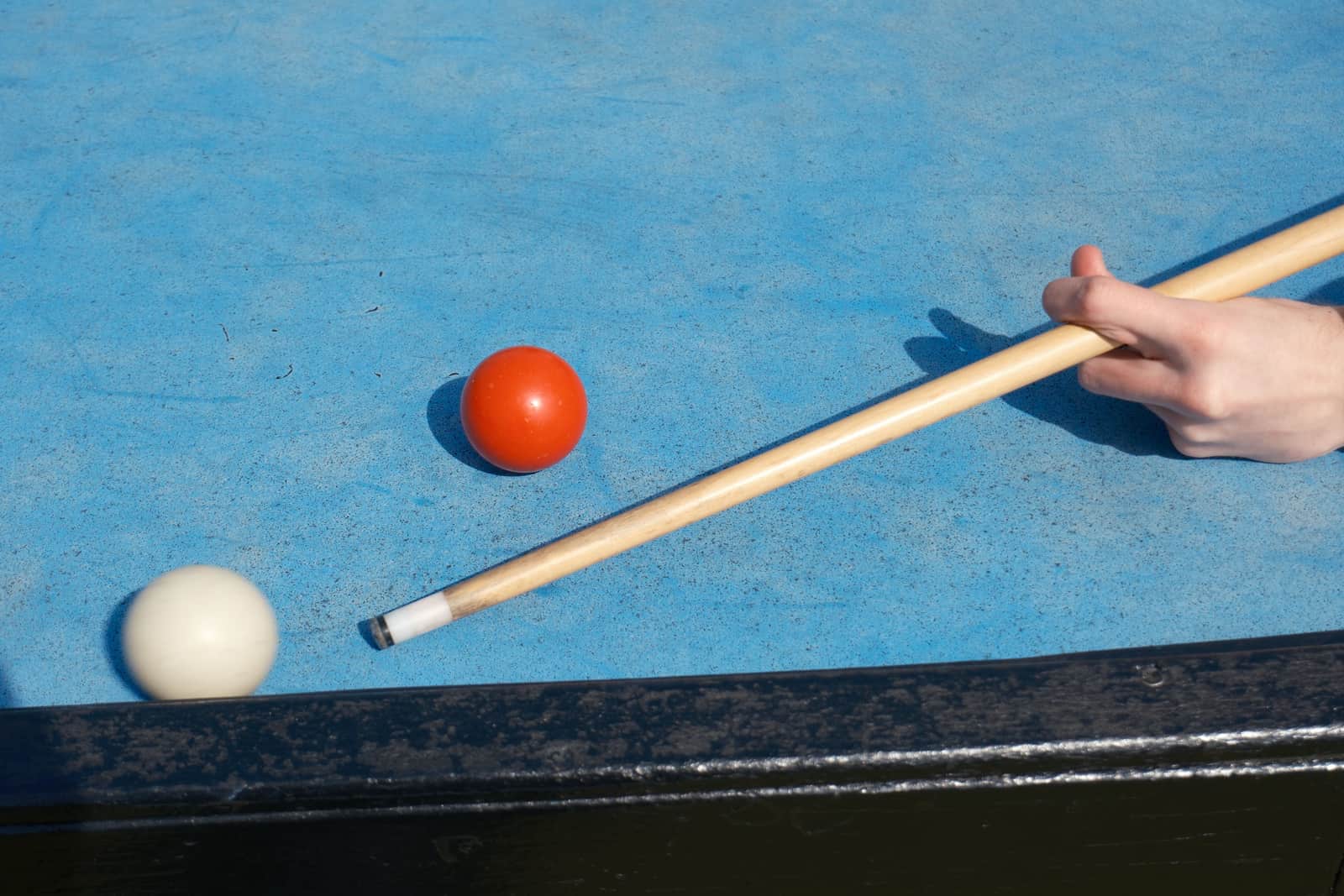
For most basements the right answer is a 7-foot non-slate table with a ball return - the Fat Cat Tucson here - because a basement's real constraint is the stairwell, not the budget. If your basement has a walk-out or a wide straight stair, buy three-piece slate instead and never think about the bed again. If a support post or the furnace has eaten one end of the room, drop to a 6.5-foot footprint rather than squeezing a 7-footer in and shooting off a wall.
Measure the stairwell before you measure the room
Almost every basement pool table story that ends badly ends on the stairs. The room measurement is the one people take; the stair measurement is the one that decides what can arrive. Three numbers matter: the clear width between handrail and wall, the headroom at the lowest point, and whether there is a landing or a turn at the bottom. A straight 36-inch stair with no turn will take most things. A 32-inch stair with a 90-degree turn at the base will not take a slate panel, and no amount of enthusiasm changes that.
Non-slate tables usually ship as a knock-down kit, which means the largest single item is the bed panel - awkward but carryable by two people. Three-piece slate tables ship with the slate separate, and each panel on a 7-foot table is a two-person lift that cannot be tilted far without risking a crack. If the stair cannot take the slate, the decision has been made for you, and it is not a downgrade: a well-leveled non-slate table in a room you can play in beats a slate table you resent.
| Basement constraint | What it affects | What to buy instead |
|---|---|---|
| Narrow or turning stairwell | Slate panels | Knock-down non-slate 7 ft |
| Support post inside the play area | Clearance on one axis | 6.5 ft footprint, or short cues |
| Ceiling under 7 ft 6 in | The hanging light, not the table | Flat linear LED fixture |
| Room doubles as a den | Permanent table footprint | 7 ft with a dining top |
| Unfinished slab, damp | Cloth and MDF, not slate | Fitted cover plus a dehumidifier |
A slab floor is the one thing a basement gets for free
Floor load is the question people ask about basements and it is the question basements answer best. A concrete slab on grade carries a slate pool table with no reinforcement, no load spreading and no conversation with a structural engineer. That is the opposite of a bonus room over a garage, where the weight of three-piece slate concentrated on six legs genuinely matters. If you have been talked out of slate on floor-load grounds and your basement is a slab, you were talked out of it wrongly.
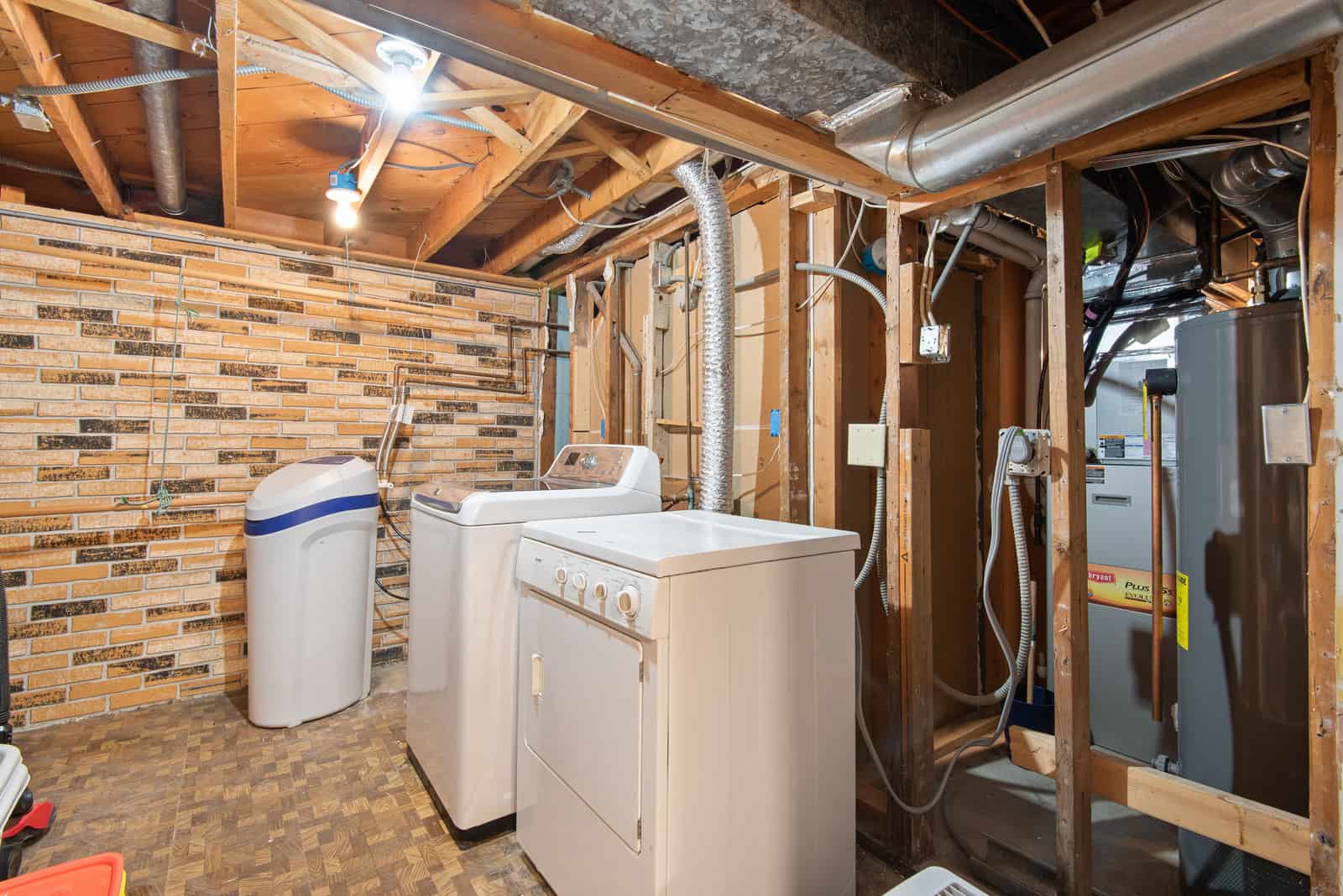
What a slab does not give you is dryness. A basement slab wicks moisture, and the two components that care are the cloth and any MDF in the frame. The fix is boring and effective: a dehumidifier running to a drain, and a fitted cover on the table when nobody is playing. The weight and floor support page has the figures for every floor type, including the upstairs case.
Quick picks
| # | Product | Best for | Size | Price |
|---|---|---|---|---|
| 1 | 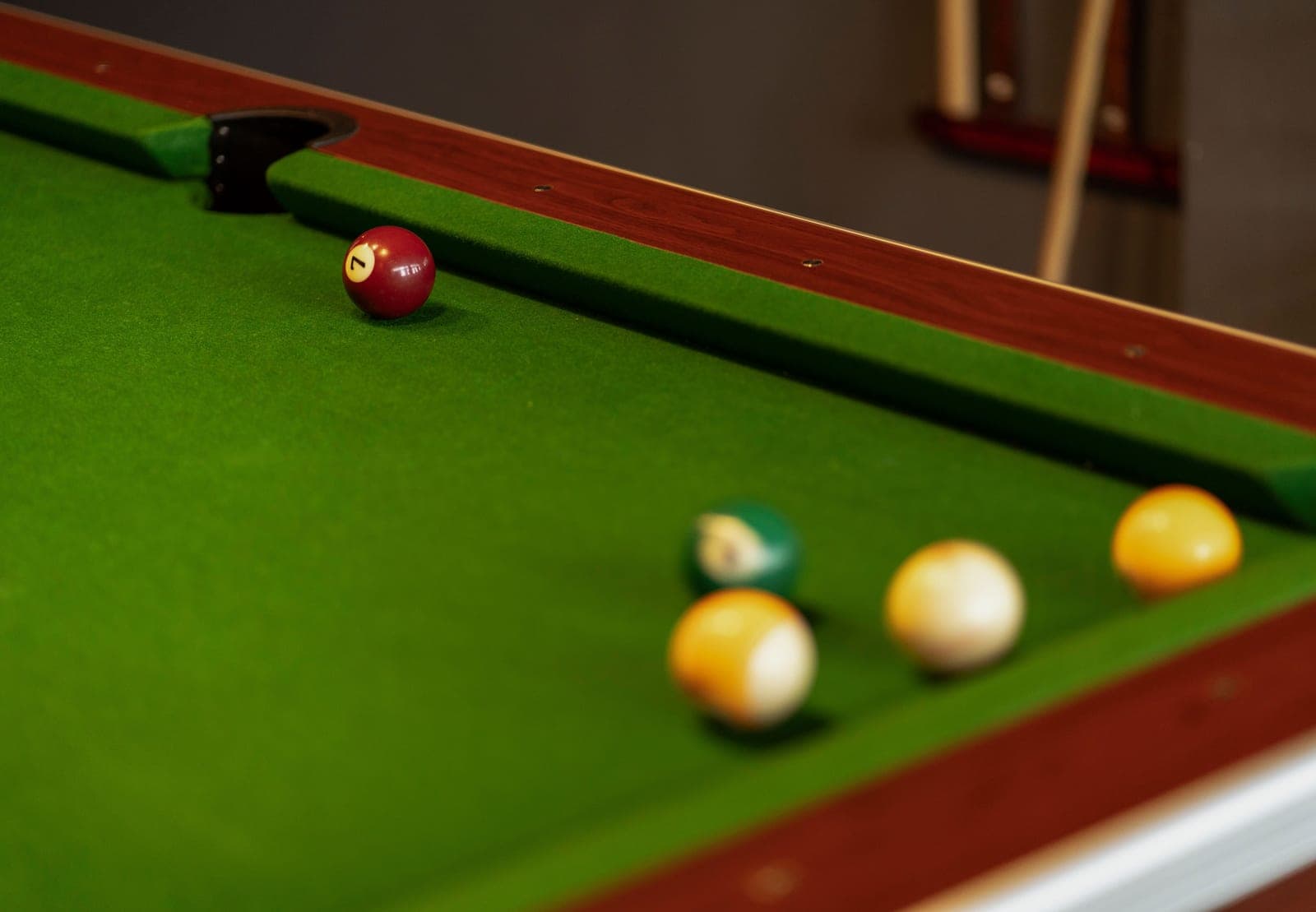 Fat Cat Tucson 7 ft Pool Table | The default finished basement | 7 ft, ball return | |
| 2 | 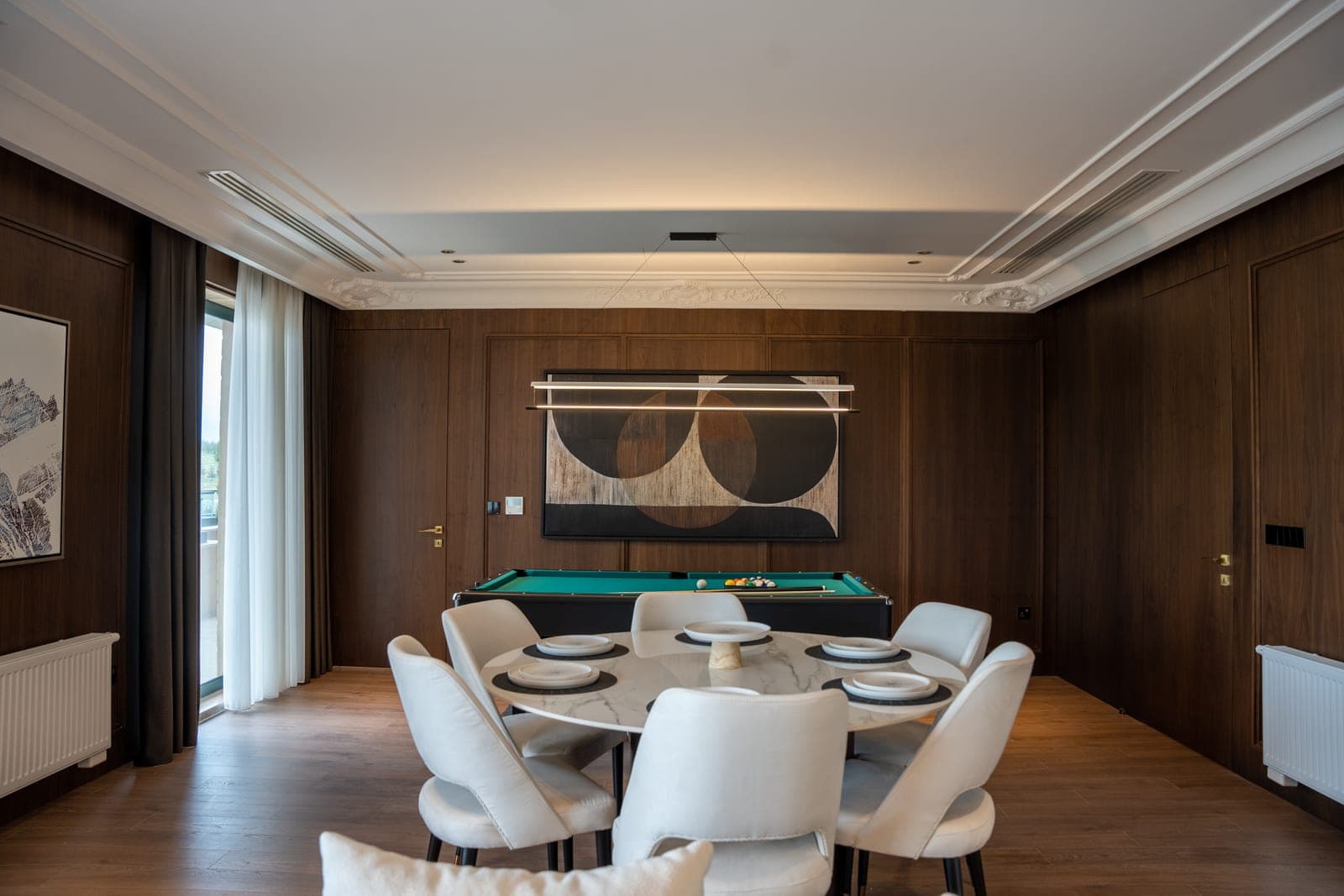 Playcraft Rio Grande Slate Pool Table | A basement with a walk-out or a wide stair | Three-piece slate | |
| 3 | 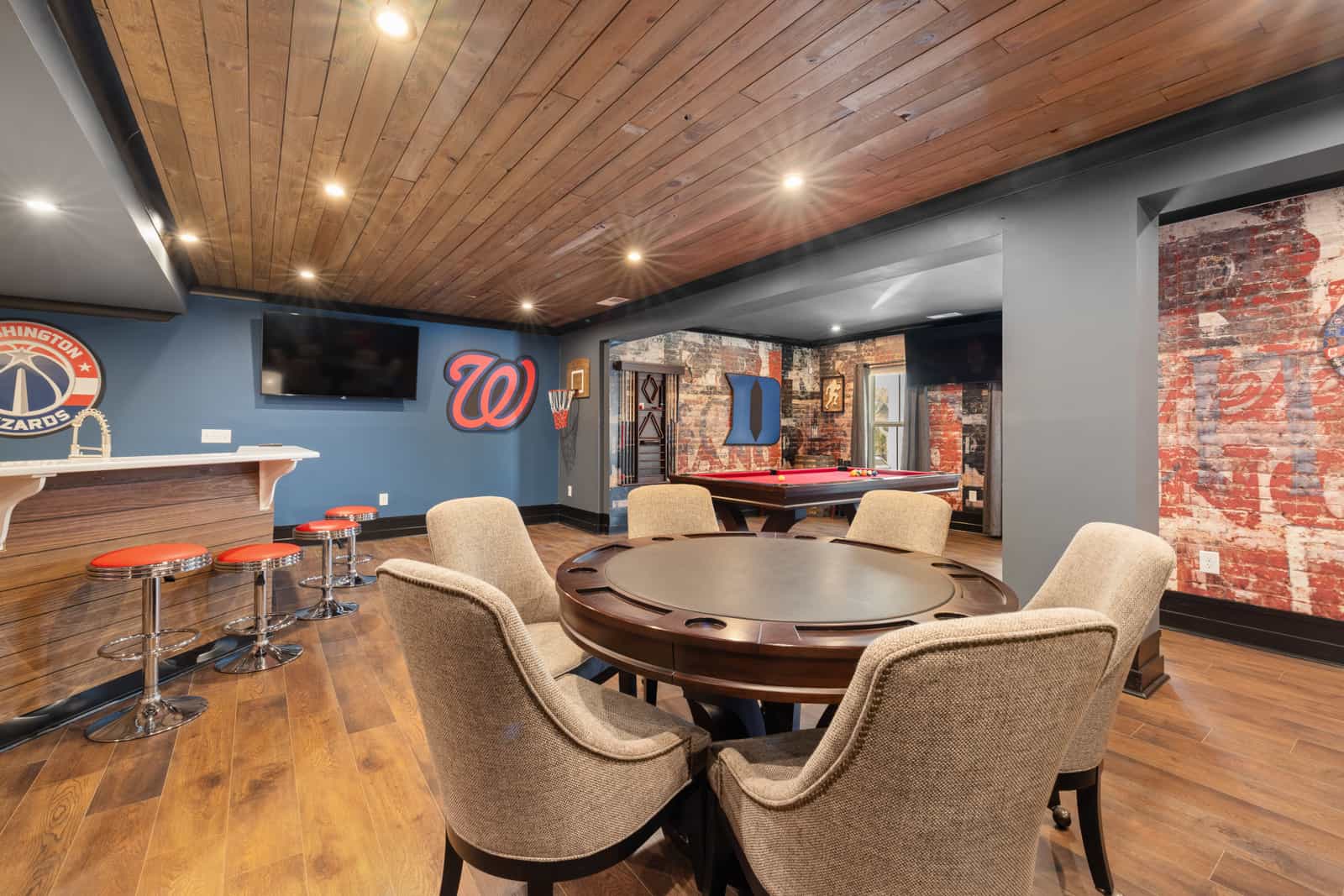 Mizerak Dynasty Space Saver 6.5 ft Billiard Table | A basement with posts in the way | 6.5 ft footprint | |
| 4 |  Hathaway Park Avenue 7 ft Pool Table with Dining Top | A basement that is also the family room | 7 ft, dining top |
The picks
The default finished-basement table, the slate table for a basement that can receive it, the smaller footprint for a room with a post in it, and the table for a basement that has another job.
#1 · The default finished basement
Fat Cat Tucson 7 ft Pool Table
A 7-foot arcade-style table with an automatic ball return, aimed at basements that cannot take a 4-inch slate bed.
A 7-foot non-slate table with an automatic ball return, and the right first answer for most finished basements. The two reasons are both about the room rather than the table: a non-slate bed goes down a stairwell in a way three pieces of slate do not, and the ball return means nobody has to walk the table to re-rack - which matters when one of the four sides is a furnace wall.
- What works
- Non-slate bed is light enough for a normal stairwell and two people
- 7-foot geometry is the pub game most guests already know
- Ball return keeps a casual game moving when one side is tight
- What does not
- A non-slate bed will never roll as true as stone
- The return channels add rail bulk, so measure clearance to the rail and not the cloth
#2 · A basement with a walk-out or a wide stair
Playcraft Rio Grande Slate Pool Table
Three-piece slate on a hardwood frame. Heavy enough that the floor, the stairwell and the installer all become part of the buying decision.
Three-piece slate on a hardwood frame, and the table to buy if your basement can physically receive it. Slate is the only bed that stays flat for decades, and a basement slab is the ideal floor for it. The catch is logistics, not quality: three pieces of slate are carried separately, each one is awkward and heavy, and a 32-inch stairwell with a turn at the bottom is where that plan ends.
- What works
- Three-piece slate levels properly and stays level on a slab
- A basement slab needs no floor reinforcement for the weight
- The one table here worth a recloth and new cushions in fifteen years
- What does not
- Slate panels have to be carried in individually - measure the stair and the turn
- Leveling and installation is a job for an installer, not an afternoon
Skip it if: your only way down is a narrow, turning staircase. Nothing about the table fixes that, and a non-slate 7-footer in the room beats a slate one stuck in the garage.
#3 · A basement with posts in the way
Mizerak Dynasty Space Saver 6.5 ft Billiard Table
A 6.5-foot table built specifically for rooms that fail the 7-foot clearance math. Short cues are still likely on at least one side.
A 6.5-foot table built specifically for rooms that fail the 7-foot clearance math - which describes a great many basements once you account for the support post nobody mentions in the listing. Half a foot of table length buys back about six inches of clearance at each end, and that is frequently the difference between a playable room and a room where a third of your shots come off a wall.
- What works
- Clears a room that a 7-footer does not
- Lighter than a 7-foot table, so the stairwell is less of a gamble
- Leaves room to walk past the table, which a basement needs
- What does not
- 6.5 feet is a visibly smaller game than a pub table
- Short cues are still likely on at least one side
#4 · A basement that is also the family room
Hathaway Park Avenue 7 ft Pool Table with Dining Top
A 7-foot table that takes a dining top and ships with two storage benches. Hathaway lists a 3/4-inch MDF build with K66 rubber cushions.
A 7-foot table that takes a dining top and ships with two storage benches. In a basement that is also where the family watches television, a table that converts is worth more than a better table that owns the room. Hathaway lists a 3/4-inch MDF build with K66 rubber cushions, so the playing side of it is an honest family table rather than furniture pretending.
- What works
- The basement keeps its other job
- Benches give cues, chalk and balls somewhere to live off a damp floor
- Ships in manageable pieces for a stairwell
- What does not
- The dining top has to be lifted off and stored somewhere to play
- Not a table a league player would choose
The clearance math, with basement obstacles included
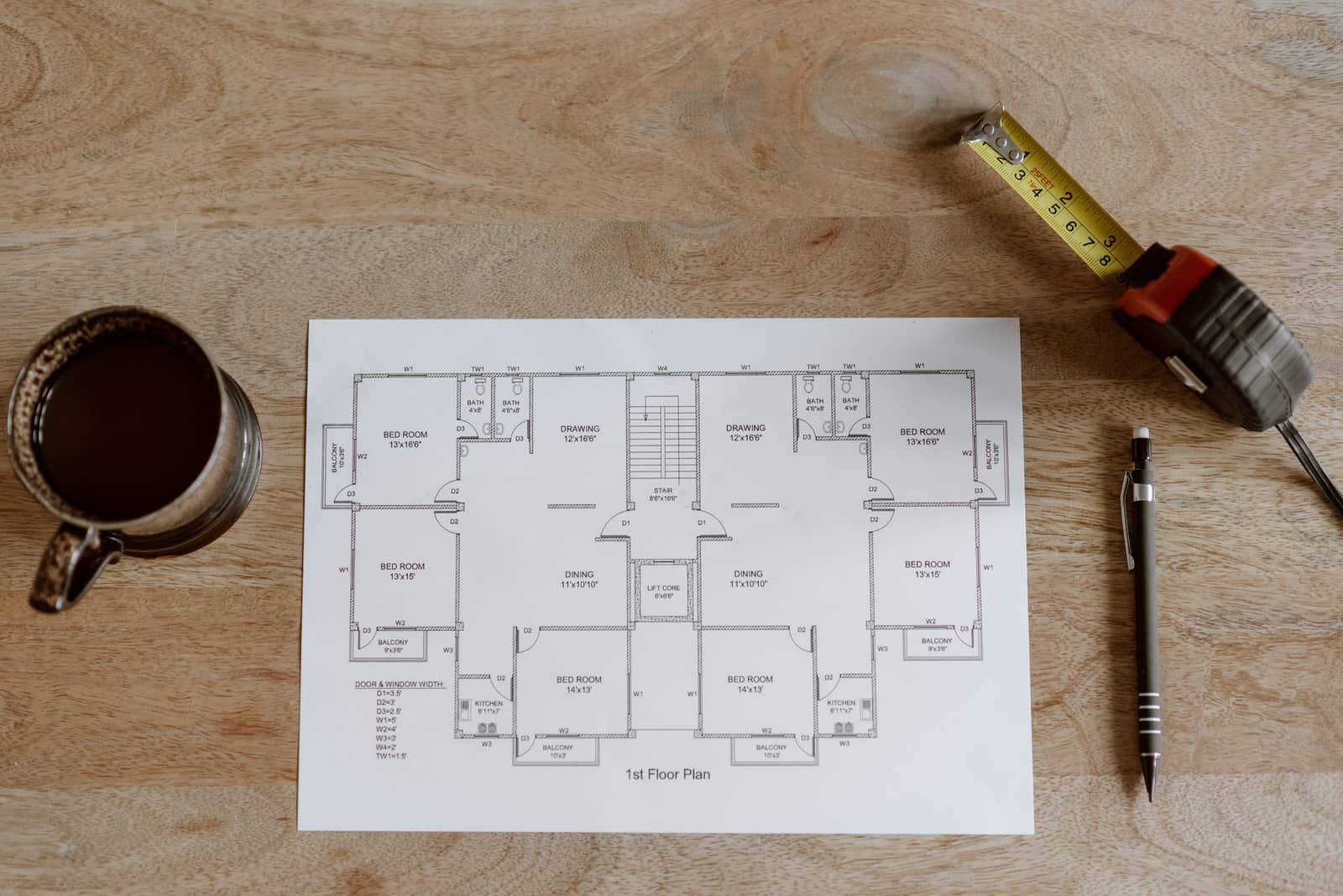
Take the playing surface of the table, add the length of your cue plus 6 inches of stroke to each side, and compare that against the clear floor at table height. A 7-foot table has a 78 by 39-inch playing surface, so with full 58-inch cues it wants 17 ft 2 in by 13 ft 11 in of clear floor - and with 48-inch cues on all four sides that drops to about 15 ft 4 in by 12 ft 1 in. Most basements land between those two, which is why short cues are normal basement equipment rather than a compromise. The word doing the work here is clear: measure to the furnace housing, the water heater, the bottom of the stair stringer and the support post, not to the drywall behind them.
A post inside the play area is not automatically fatal. If it sits near a corner you may lose only a handful of shots per game; if it sits mid-rail you lose one side of the table permanently. The honest test is to tape the table footprint on the floor, stand at the post with a broom handle and take the stroke. People who do this buy the right size table. People who do not buy the bigger one and then buy short cues. The room size guide has the full chart for every table size and both cue lengths.
Slate or not, in a basement specifically
The general slate argument is about flatness over time, and slate wins it outright. The basement-specific argument is different, because a basement adds two factors that cut both ways. In slate's favor: the slab carries the weight and the temperature down there is stable, which is exactly what a stone bed wants. Against it: the stairwell, and the fact that a slate table is effectively permanent - it is not moving again without an installer, so the room has to be the final room.
A useful way to decide is to ask how long you intend to be in the house. A slate table repays a decade and a recloth. A non-slate 7-footer is the right call for a rental, a first house, or a basement you still plan to re-plan. Slate vs MDF goes through the whole comparison with the numbers, and the cost breakdown covers what installation adds once the table is down the stairs.
What we checked, and what we did not
Table sizes, playing-surface dimensions and the clearance arithmetic come from the published equipment specifications cited below. Construction details are each manufacturer's own listed specifications. We have not assembled or played on these tables, we publish no scores or ratings, and nothing here is presented as test data. The basement-specific judgments - stairwell limits, post clearance, slab humidity - follow from the geometry and the materials rather than from testing.