Picks
The Best Pool Tables for Beginners
First-table buyers reliably spend their money in the wrong order. The size that fits your room matters more than the bed, the cue matters more than either, and the assembly matters more than anybody tells you.
How these picks were made: from published manufacturer specifications, governing-body standards and the room arithmetic - not from first-hand use. We have not played on these tables. Read the method.

For a first pool table, buy the biggest size your room genuinely clears, with a pre-assembled playfield and no slate - the Barrington Urban 7 ft here is the clearest example - and spend the money you saved on two straight cues and a decent ball set. Beginners reliably invert this: they shop the bed first, buy a table the room cannot clear, assemble it over three weekends, and then play with the warped cue that came in the box. Every part of that sequence is avoidable.
Size first, because the room cannot be upgraded later
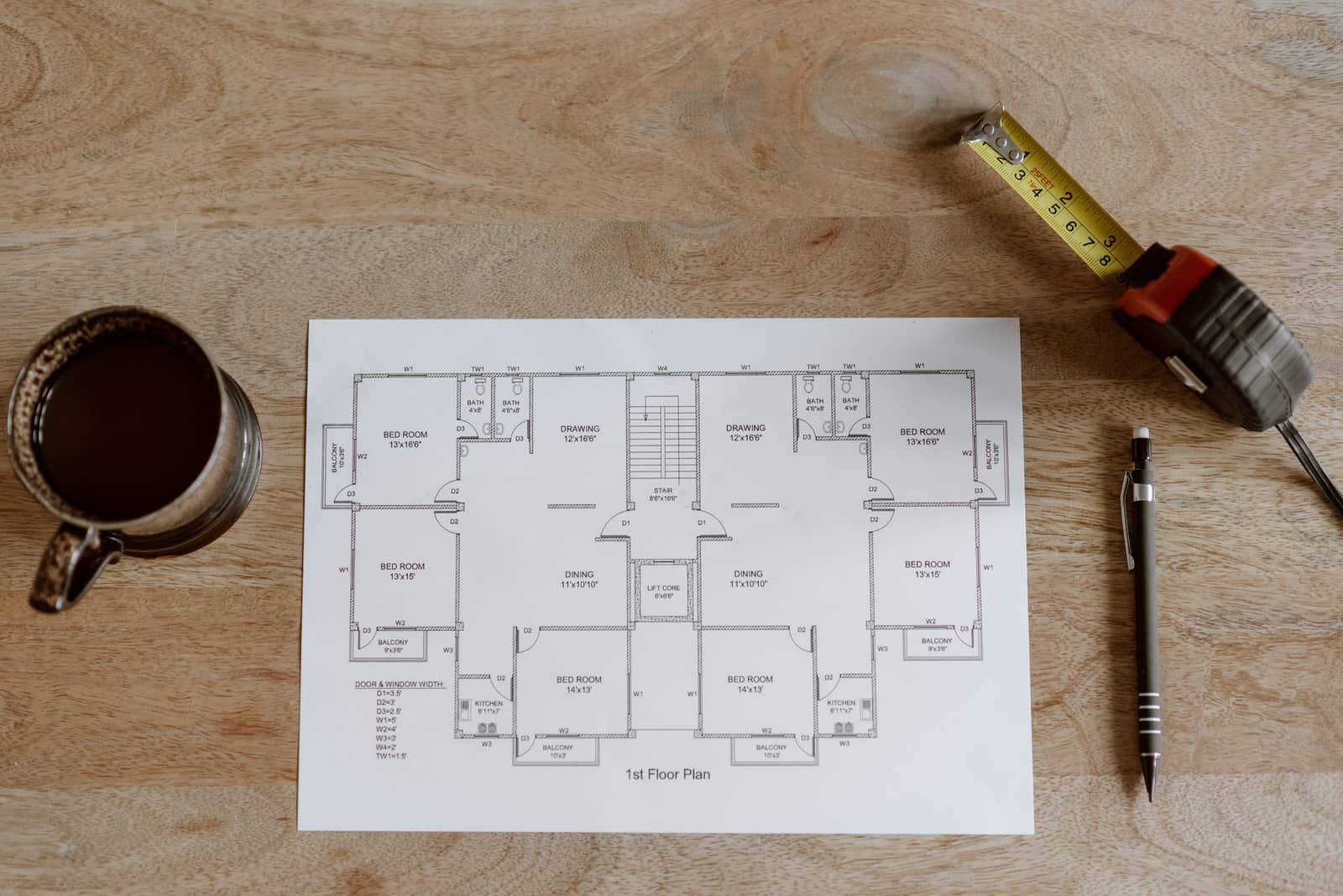
The bed can be changed. The cloth can be changed. The cues, balls, light and rack can all be changed at any point for modest money. The one thing you cannot change after the fact is whether the table fits the room, and that is the variable beginners weigh least. Take the playing surface, add your cue length plus 6 inches of stroke to each side, and compare against the clear floor at table height - measuring to whatever actually projects into the room, not to the drywall.
A 7-foot table wants 17 ft 2 in by 13 ft 11 in with full 58-inch cues, or about 15 ft 4 in by 12 ft 1 in with 48-inch cues. An 8-footer wants 18 ft by 14 ft 4 in with full cues. If your room sits between those, buy the 7-footer and enjoy it rather than the 8-footer and a permanent set of short cues on every side. The room size guide has the chart for every size and every cue length; run it before you look at a single listing.
| Decision | What beginners do | What to do instead |
|---|---|---|
| Table size | Buy the biggest that physically fits | Buy the biggest the cues clear |
| Bed | Shop slate vs MDF first | Decide it last - it is the least urgent variable |
| Assembly | Ignored until the boxes arrive | Prefer a pre-assembled playfield |
| Cues | Use whatever came in the box | Buy two straight two-piece cues |
| Balls | Use the supplied polyester set | Upgrade when the cue ball dulls |
| Light | Left for later | Plan it before delivery - unlit is unplayable |
Assembly is the step that decides whether you play
Non-slate tables ship as a kit, and the kits vary enormously in how much is already done. A table with a pre-assembled playfield arrives with the bed, rails and cushions already together, so the job is legs, frame and leveling. A fully knocked-down table means fitting rails, aligning cushions and stretching cloth - which is a real skill, done badly by most first-timers, and the single most common reason a new table rolls off.
This is the one spec worth paying a premium for as a beginner. It is also the one to check against your doorway, because pre-assembled means a larger single box - frequently the awkward part of a basement delivery. Measure the stair and the turn at the bottom before ordering, exactly as you would for slate.
Quick picks
| # | Product | Best for | Size | Price |
|---|---|---|---|---|
| 1 | Barrington Urban Collection 7 ft Pool Table | The straightforward first table | 7 ft, pre-assembled playfield | |
| 2 | 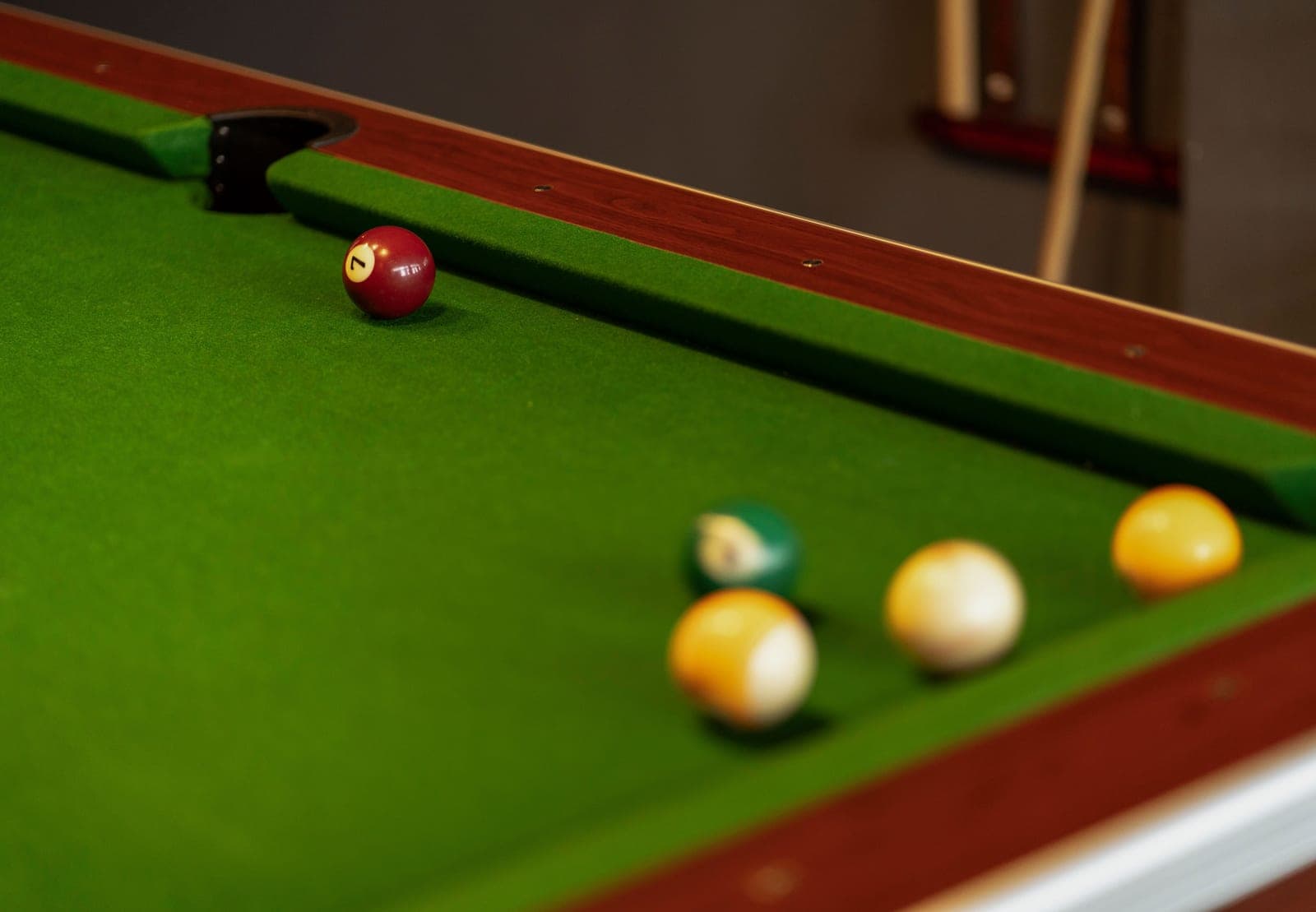 Fat Cat Tucson 7 ft Pool Table | A household learning together | 7 ft, ball return | |
| 3 |  Fat Cat Trueshot 6 ft Folding Billiard Table | When you are not sure yet | 6 ft, folds flat | |
| 4 |  Aska L3 Pool Cue Set | The purchase that matters more than the table | Two-piece beginner cue |
The picks
The easy-assembly first table, the one with a ball return for a household still learning, the folding table that keeps the decision reversible, and the cue that matters more than any of them.
#1 · The straightforward first table
Barrington Urban Collection 7 ft Pool Table
A 7-foot table that ships with a pre-assembled playfield, which is the difference between a two-hour job and a weekend.
A 7-foot table that ships with a pre-assembled playfield, which is the difference between a two-hour job and a weekend. For a first table that single feature outranks almost everything on the spec sheet, because the most common failure mode for a first pool table is not that it plays badly - it is that it sat in boxes in the garage for five weeks. A table that is playable the day it arrives gets played.
- What works
- Pre-assembled playfield turns assembly into an afternoon
- 7 feet is the size most rooms clear and most people recognize
- Nothing on it needs an installer
- What does not
- A non-slate bed, which is the right trade for a first table but is still a trade
- Pre-assembled means a bigger box - check your doorway and stair
#2 · A household learning together
Fat Cat Tucson 7 ft Pool Table
A 7-foot arcade-style table with an automatic ball return, aimed at basements that cannot take a 4-inch slate bed.
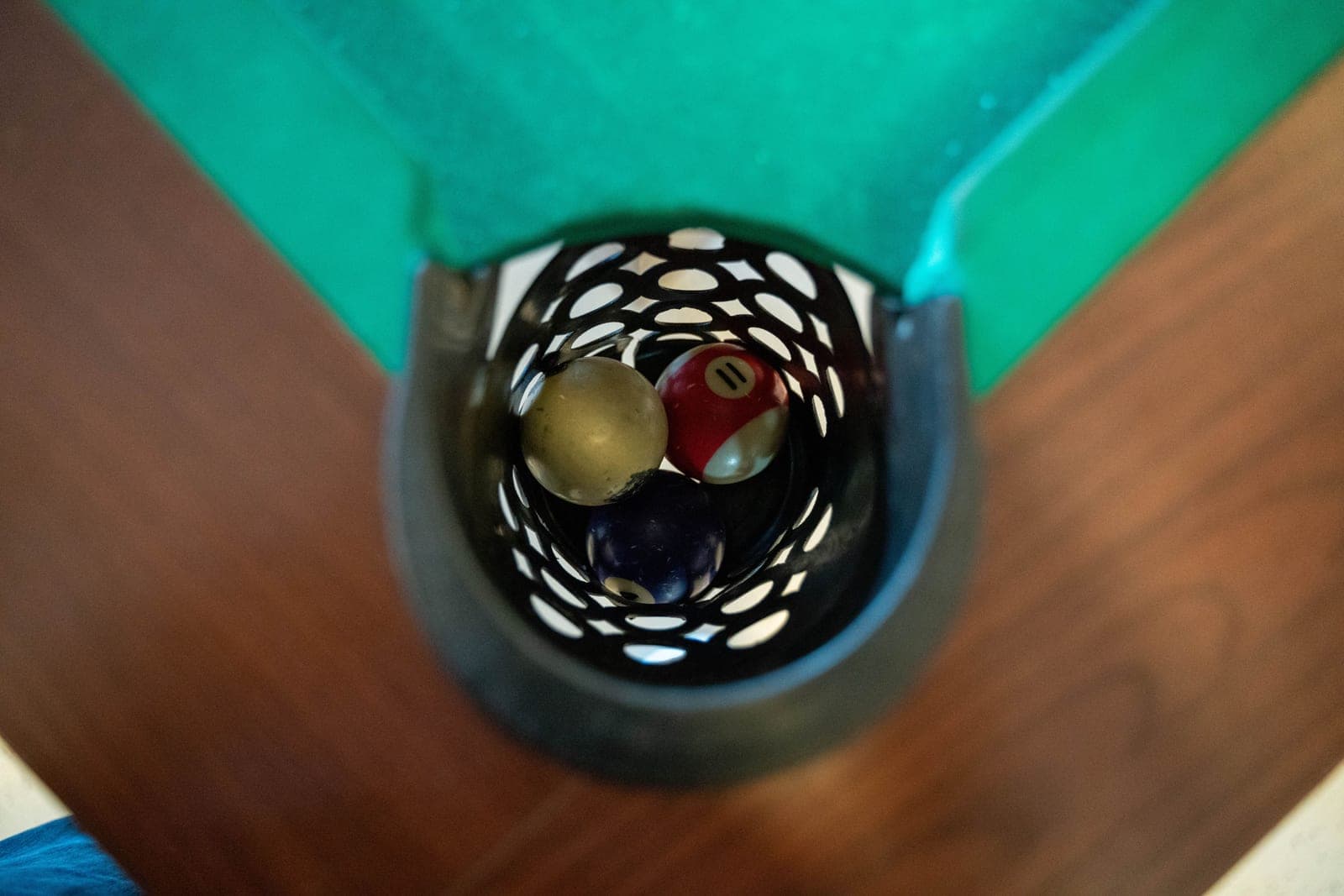
A 7-foot arcade-style table with an automatic ball return, aimed at basements that cannot take a 4-inch slate bed. The ball return is a genuinely beginner-friendly feature and not a gimmick: new players pot far fewer balls and chase far more of them, and a return means nobody is walking round the table retrieving from six pockets between every rack. It keeps a beginner's game moving, which is what stops beginners losing interest.
- What works
- Ball return keeps a slow beginner game from stalling
- Real 7-foot geometry in a size most rooms clear
- No installer and no slate to shim
- What does not
- Rail bulk from the return channels eats a little clearance
- A non-slate bed will not hold a true roll for decades
#3 · When you are not sure yet
Fat Cat Trueshot 6 ft Folding Billiard Table
A 6-foot folding table on a non-slate bed. The folding legs are the whole point: it is the one real pool table you can clear out of a room.
A 6-foot folding table on a non-slate bed. The folding legs are the whole point: it is the one real pool table you can clear out of a room. For a beginner who genuinely does not know whether the household will play, this is the table that makes the decision reversible - if it turns out nobody picks up a cue, it folds against a wall instead of becoming a permanent 400-pound reminder in the middle of a room.
- What works
- Folds flat, so the decision is reversible
- Light enough for two people to move and set up
- A real table rather than a toy, at the smallest real size
- What does not
- 6 feet is a visibly smaller game than a pub table
- The folding hardware wears before anything else does
Skip it if: you already know people will play weekly. Buy the 7-footer; the bigger game is better.
#4 · The purchase that matters more than the table
Aska L3 Pool Cue Set
A four-cue set for a house table where guests will break with whatever is nearest. Replaceable, and that is the point.
Listed here deliberately. A beginner playing with the warped house cue that came in the box will blame themselves for every miss, and the cue is a far cheaper variable to fix than the table. Two straight two-piece cues of the right length do more for a new player's first month than any upgrade to the bed, because a straight cue removes the one source of error a beginner cannot diagnose.
- What works
- A straight cue removes an error source a beginner cannot identify
- Costs a small fraction of any table on this page
- Two of them means two people can play properly
- What does not
- Not a cue an improving player will keep forever
- Check the length against your room before ordering - 58 in needs the clearance
Why slate is the wrong first question
Slate is better. That is not in dispute, and if you know you are going to play for twenty years in a house you are not leaving, buy slate. For a first table it is still the wrong starting question, for two reasons. The first is practical: slate brings a delivery problem and an installer with it, and a beginner who has not yet established that the household will play is buying a permanent installation on a hypothesis.
The second is that a beginner cannot perceive the difference yet. The advantage of slate is a true roll over a long distance and flatness that holds for decades - both real, both invisible to a player whose cue ball is not yet going where they aimed. A new player on a well-leveled non-slate table and a new player on slate have the same experience for the first year. Slate vs MDF has the full comparison for when the question does become urgent, and the cost page breaks down what each line on the bill is for.
Two cues, and the length question
A warped cue is the cruellest piece of equipment in a games room, because the error it produces looks exactly like a player error. A new player with a bent house cue misses, assumes they are the problem, and loses confidence in a stroke they were developing correctly. Two straight two-piece cues solve this for a small fraction of the table price and they are the first thing to buy alongside any table.
Length matters and it is set by your room, not your height. The standard is 58 inches; a 52-inch short cue buys back about 6 inches of clearance per side and is the normal answer for one tight wall. If your room has a tight side, buy one 58 and one 52 rather than two of either. How to choose a pool cue covers weight, tip and shaft, and the cue clearance math has the figures per length.
What we checked, and what we did not
Table sizes, playing surfaces and the clearance arithmetic come from the published equipment specifications cited below. Assembly, construction and cue details are each manufacturer's own listed specifications. We have not assembled or played on these products, we publish no scores or ratings, and nothing here is presented as test data. The beginner-specific judgments follow from the mechanics - what is upgradeable later, what is not - rather than from testing.