Guide
Table Tennis Table Specifications
A regulation table is 2.74 m long, 1.525 m wide and 76 cm high. Those three numbers are fixed. Everything else in a listing - thickness, finish, frame - is the manufacturer's choice, and the specification says nothing about it.
How these picks were made: from published manufacturer specifications, governing-body standards and the room arithmetic - not from first-hand use. We have not played on these tables. Read the method.
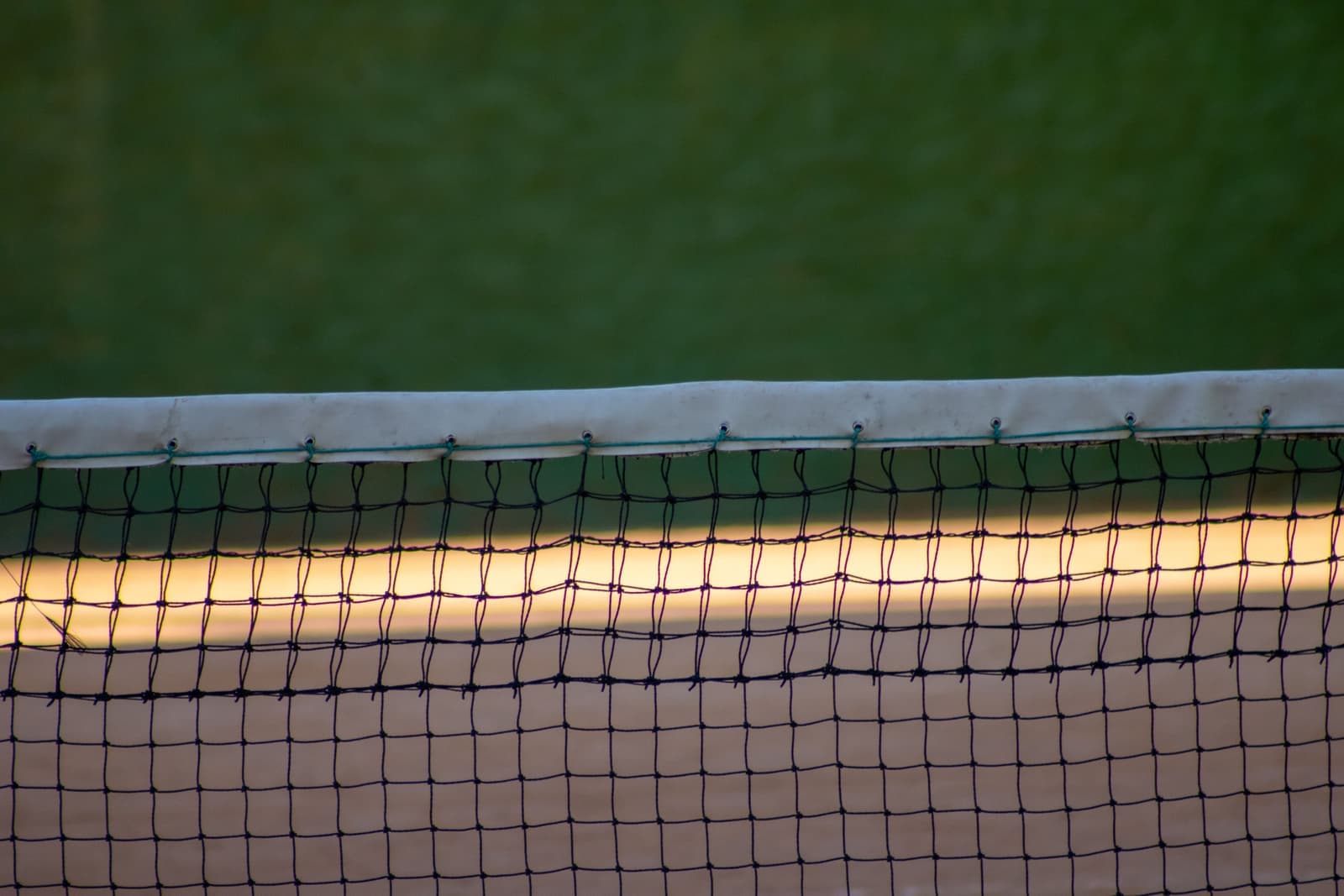
A regulation table tennis table is 2.74 m (9 ft) long, 1.525 m (5 ft) wide and 76 cm (30 in) above the floor, with a playing surface that gives a uniform bounce of about 23 cm when a standard ball is dropped from 30 cm. The net is 15.25 cm (6 in) high across a span of 1.83 m, the white lines are 2 cm wide, and the surface must be a uniform dark matte color. Those figures come from the ITTF handbook and they are the complete list of what is actually specified.
The full specification, in one table
Here is every officially specified figure for the table and net, in both metric and imperial. These are the numbers that make a table a table tennis table; anything a listing says beyond this - MDF thickness, aluminum composite, frame gauge, wheel size - is the manufacturer's engineering, not a standard.
| Specification | Metric | Imperial |
|---|---|---|
| Playing surface length | 2.74 m | 9 ft / 108 in |
| Playing surface width | 1.525 m | 5 ft / 60 in |
| Height above floor | 76 cm | 30 in |
| Net height above surface | 15.25 cm | 6 in |
| Net span, post to post | 1.83 m | 6 ft |
| Net post offset outside each side line | 15.25 cm | 6 in |
| Side and end line width | 2 cm | 0.75 in |
| Center line width (doubles) | 3 mm | 0.125 in |
| Standard bounce height, ball dropped from 30 cm | ~23 cm | ~9 in |
| Surface color | uniform dark, matte | uniform dark, matte |
What the specification does not say
The most useful thing to understand about table tennis table specifications is how short the list is. There is no specified bed thickness. There is no specified material. There is no specified frame, no specified weight, no specified leg design, and nothing at all about folding or wheels. A 15 mm MDF family table and a 25 mm tournament table are equally regulation in every dimension that is written down.
What the specification does instead is set a performance requirement: the surface must give a uniform bounce of roughly 23 cm from a 30 cm drop, everywhere on the table. That single sentence is where thickness enters by the back door. A thin bed meets the bounce requirement in the middle and falls short near the edges, because the panel flexes where it is least supported. A 25 mm bed on a reinforced frame meets it everywhere. The table thickness page covers what each thickness actually delivers.
Length, and the query people actually type
The length of a table tennis table is 2.74 m - 9 feet, or 108 inches. It is worth stating the number three ways because the conversions get quoted badly: 2.74 m is not 9 feet exactly, it is 8 feet 11.9 inches, and the official figure is the metric one. Manufacturers who advertise a 9-foot table are rounding, correctly, to the nearest practical description.
The figure that matters more for buying is not the table length, it is the room length. A regulation table at 2.74 m needs clear space at both ends for the players to stand and move back, which is why the recommended room for proper play is around 19 by 11 feet rather than 9 by 5. The dimensions and room size page has the clearance figures by standard of play, including the shorter envelopes that work for casual games.
Three tables that meet the specification
Every full-size table matches the official dimensions. These three differ only in the bed and the frame - which is to say, in the one performance requirement the specification does set.
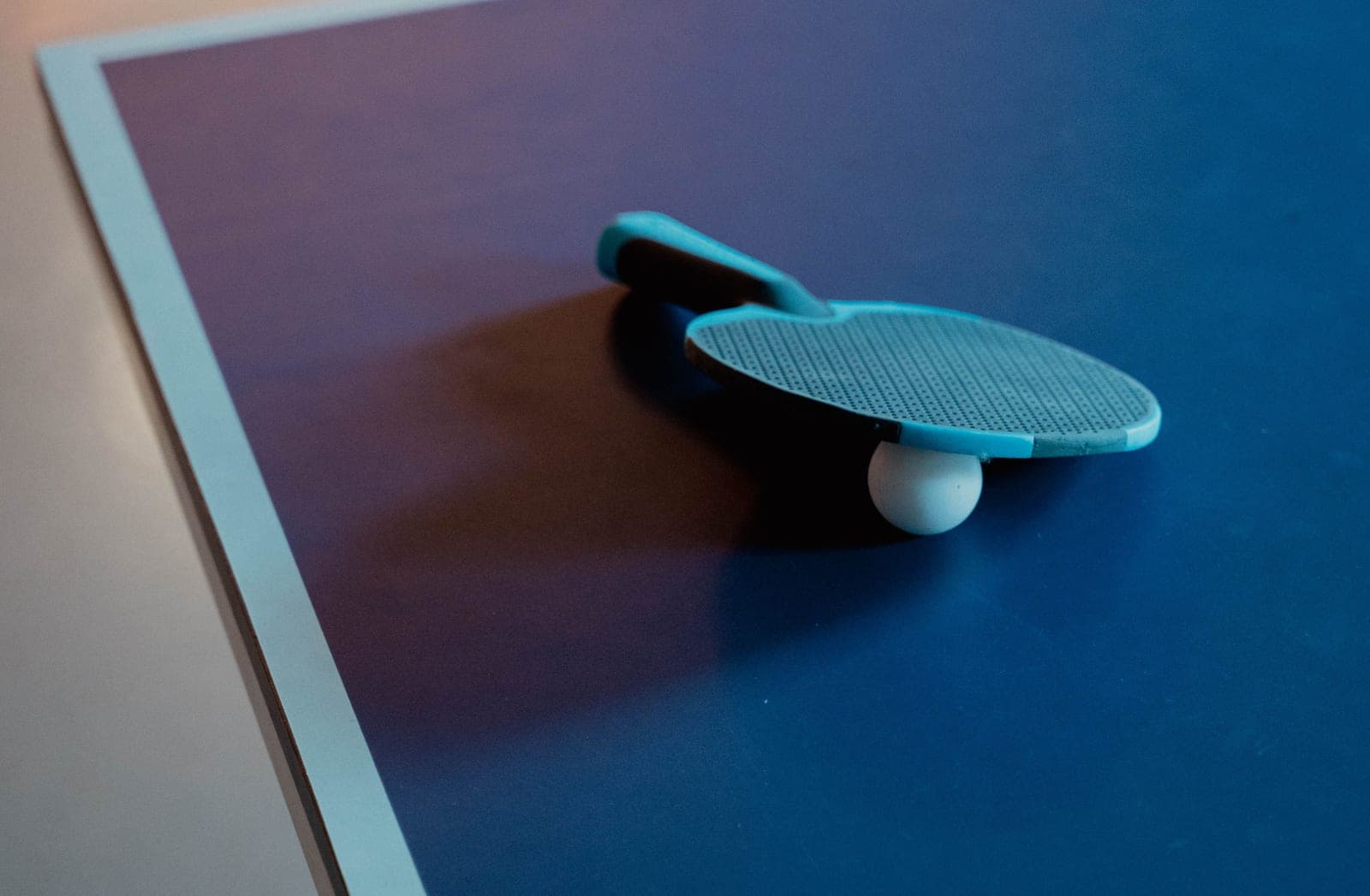
#1 · A full-spec indoor table
JOOLA Inside Professional MDF Indoor Table Tennis Table
JOOLA's step up from the Inside 15: a thicker MDF bed and a heavier undercarriage, still folding, still one-person assembly.
JOOLA's step up from the Inside 15: a thicker MDF bed and a heavier undercarriage, still folding, still one-person assembly. If the reason you looked up the specification is that you want a table that behaves like the real thing, bed thickness is where that happens - the official dimensions are the same on every full-size table, so thickness and frame rigidity are the only variables left that change the bounce.
- What works
- Full regulation dimensions with a thicker bed than entry tables
- Heavier undercarriage, so the bed stays flat across the playing surface
- Still folds, so a spare room can still be a spare room
- What does not
- Heavier to fold and move than a 15 mm table
- MDF is MDF - keep it indoors and keep it dry
#2 · The 25 mm reference
Butterfly Centrefold 25 Rollaway Table Tennis Table
A 25 mm rollaway on a reinforced undercarriage. It is heavy, it is expensive, and it does not flex when you lean on it.
A 25 mm rollaway on a reinforced undercarriage. It is heavy, it is expensive, and it does not flex when you lean on it. 25 mm is the thickness club and tournament tables use, and it is the number that makes the bounce consistent from the center of the bed out to the edges. Buy it if you have measured the room and intend to play properly for years; it is overkill for a garage that sees four games a summer.
- What works
- 25 mm is the club-standard bed thickness
- Reinforced frame means no flex and no dead spots at the edges
- Rollaway, so a hall or garage can still be used for other things
- What does not
- Heavy enough that moving it is a two-person job every time
- The most expensive way to satisfy the same official dimensions
#3 · Regulation size on a family budget
JOOLA Inside 15 Indoor Table Tennis Table
A 15 mm top with a playback position so one person can practice alone. The thickness number is the whole spec conversation.
A 15 mm top with a playback position so one person can practice alone. The thickness number is the whole spec conversation. Worth being clear about what 15 mm does and does not cost you: the table is exactly the official 2.74 by 1.525 m at exactly 76 cm, so every line, every service rule and every shot is the real game. What you lose is bounce consistency near the edges, where a thinner bed flexes.
- What works
- Full official dimensions at the family end of the market
- Playback half for solo practice
- Light enough for one person to fold and roll
- What does not
- 15 mm flexes, so the bounce fades towards the edges
- Not a bed a club player would choose
Skip it if: you already know you will play several times a week. Buy the thicker bed and be done.
Net, posts and the bits people get wrong
The net assembly has its own figures and they are the ones most often set up incorrectly at home. The net is 15.25 cm high along its whole length, measured from the playing surface, and it spans 1.83 m - which is wider than the table, because the posts sit 15.25 cm outside each side line. The net has to touch the surface along its whole length and be flush against the posts at each end, with no gap for a ball to pass through.
Two practical consequences. First, a net that sags in the middle is not a regulation net, and a clip-on net on a thin table almost always sags - check it with a ruler rather than by eye. Second, the posts extending beyond the table edge is deliberate and it adds 30.5 cm to the table's effective width at net height, which is worth knowing if you are planning to put a table tennis table in a narrow room with a wall close to one side.
Conversion tops and whether they are regulation
A conversion top sits on a pool table and turns it into a table tennis table. On dimensions it can be exactly right - a good conversion top is 2.74 by 1.525 m - but the height almost never is, because it depends on the rail height of whatever is underneath. A pool table's rails sit at roughly 31 to 32 inches, so a conversion top typically plays an inch or two above the regulation 76 cm.
For casual play that difference is invisible. For anybody practicing seriously it is not ideal, because the height relationship between the player and the surface is what the stroke is built around. The conversion tops page covers which tops fit which tables and how to check your rail height before ordering.
Sources and method
Every dimension on this page is the published ITTF handbook figure, cited below; the imperial conversions are ours and are rounded to practical fractions. Product bed thicknesses and frame details are each manufacturer's own listed specifications. We have not tested bounce heights or measured these tables ourselves, we publish no ratings or scores, and the judgments about flex and edge bounce follow from the published bounce requirement and from how a panel behaves, not from test data.