Picks
The Best Pool Ball Sets
A ball set is the cheapest thing you can buy that changes every shot on a table. It is also the one purchase where a $20 set and a $500 set are both the correct answer, depending on the table they are going on.
How these picks were made: from published manufacturer specifications, governing-body standards and the room arithmetic - not from first-hand use. We have not played on these tables. Read the method.
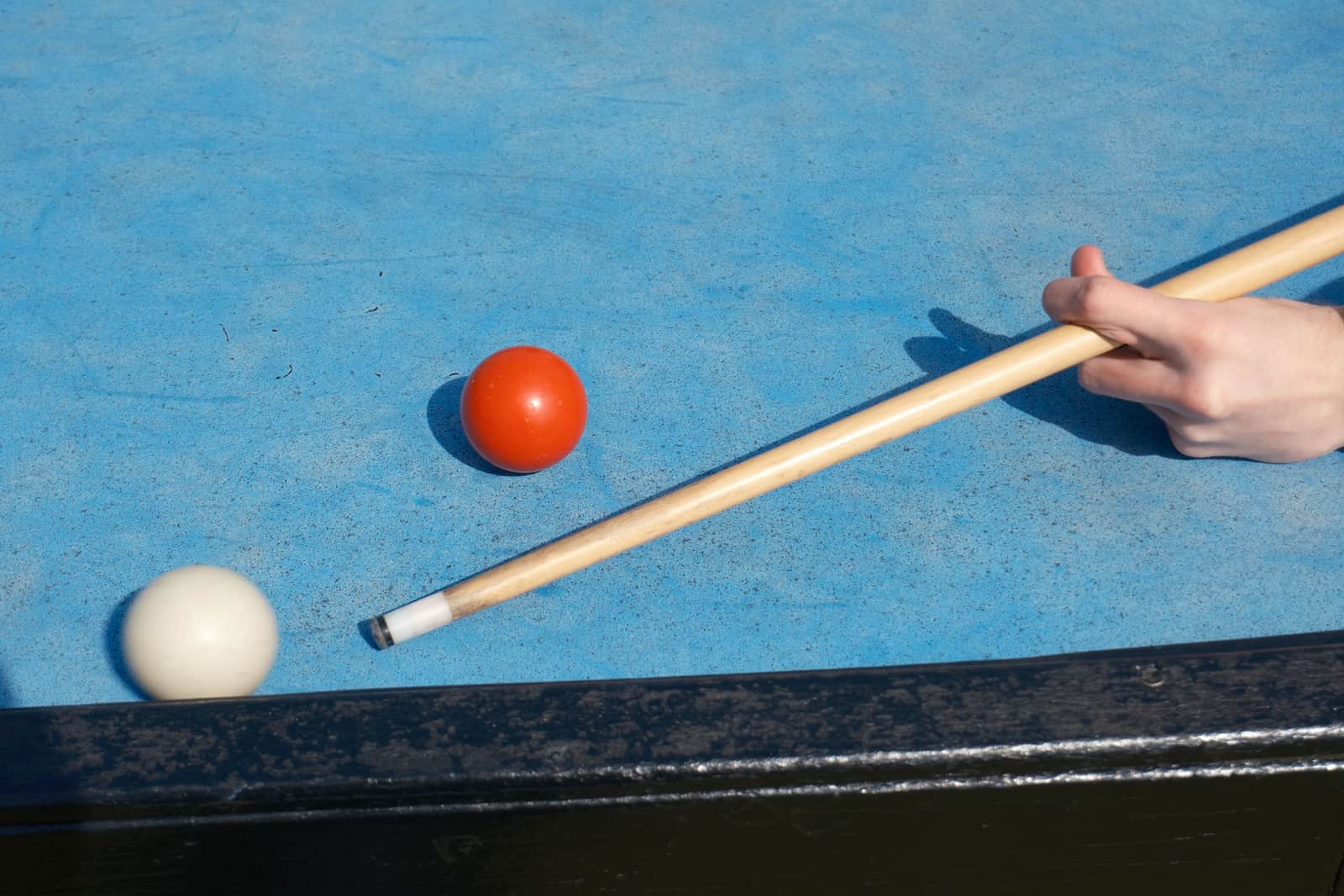
Pool balls are the least glamorous purchase in a game room and one of the two or three that change the most. The set that shipped with a mid-price home table is almost always polyester, and polyester balls do something specific over a few years: they take a tiny burr at the contact point, go very slightly out of round, and stop rolling true. The table did not get worse. The balls did, and nobody notices because it happens over hundreds of evenings.
So most of this page is one decision - phenolic or polyester - and one complication that catches a surprising number of people, which is that a table with a ball return needs a particular cue ball and will not work properly with a standard set. Get both of those right and the choice between the remaining tiers is small money against how much you play.
The size and weight the balls have to be
American pool uses a 2 1/4-inch ball weighing between 5 1/2 and 6 ounces, and that is a published equipment specification rather than a convention - the World Pool-Billiard Association rules set it out, and every table, pocket and ball-return mechanism in the American game is built around it. It is the first thing to check on a cheap listing, because a set that is a few hundredths oversize will jam in a tight pocket and a set that is noticeably heavy will not behave the way the table expects.
| Game | Ball diameter | Set contents | Notes |
|---|---|---|---|
| American pool | 2 1/4 in | 15 object balls + cue ball | 5 1/2 to 6 oz per ball |
| English / UK pool | 2 in | Reds and yellows + cue ball | Smaller pockets; not interchangeable |
| Snooker | 2 1/16 in | 15 reds, 6 colors, cue ball | Different table entirely |
| Bumper pool | 2 1/4 in | 5 red, 5 white + markers | Same size as pool, different set |
If you have a bumper table rather than a pocket table, the balls are the same diameter but the set is not the same set - the bumper pool roundup covers what those tables actually come with. And if your table is a British-style pub table rather than an American one, a 2 1/4-inch set will not drop through its pockets and a 2-inch set is what you want.
Phenolic against polyester, without the marketing
Phenolic resin is a harder, denser thermoset than the polyester used in budget sets. The practical consequences are three: it resists the micro-chipping that happens at the contact point on every break, it holds a polish rather than hazing, and it stays dimensionally round for far longer. All three add up to a table that keeps rolling the way it rolled when it was new.
What phenolic is not is magic, and the lifespan multipliers that appear on retail listings - five times the life of polyester, and similar - are marketing numbers with no published test behind them, so they are not repeated here. The claim that holds up without a number attached is simpler and easier to see for yourself: pick up a well-used polyester cue ball and a well-used phenolic one and look at the contact patch. One is matte and faintly pitted, the other is not.
Quick picks
| # | Product | Best for | Material | Price |
|---|---|---|---|---|
| 1 | 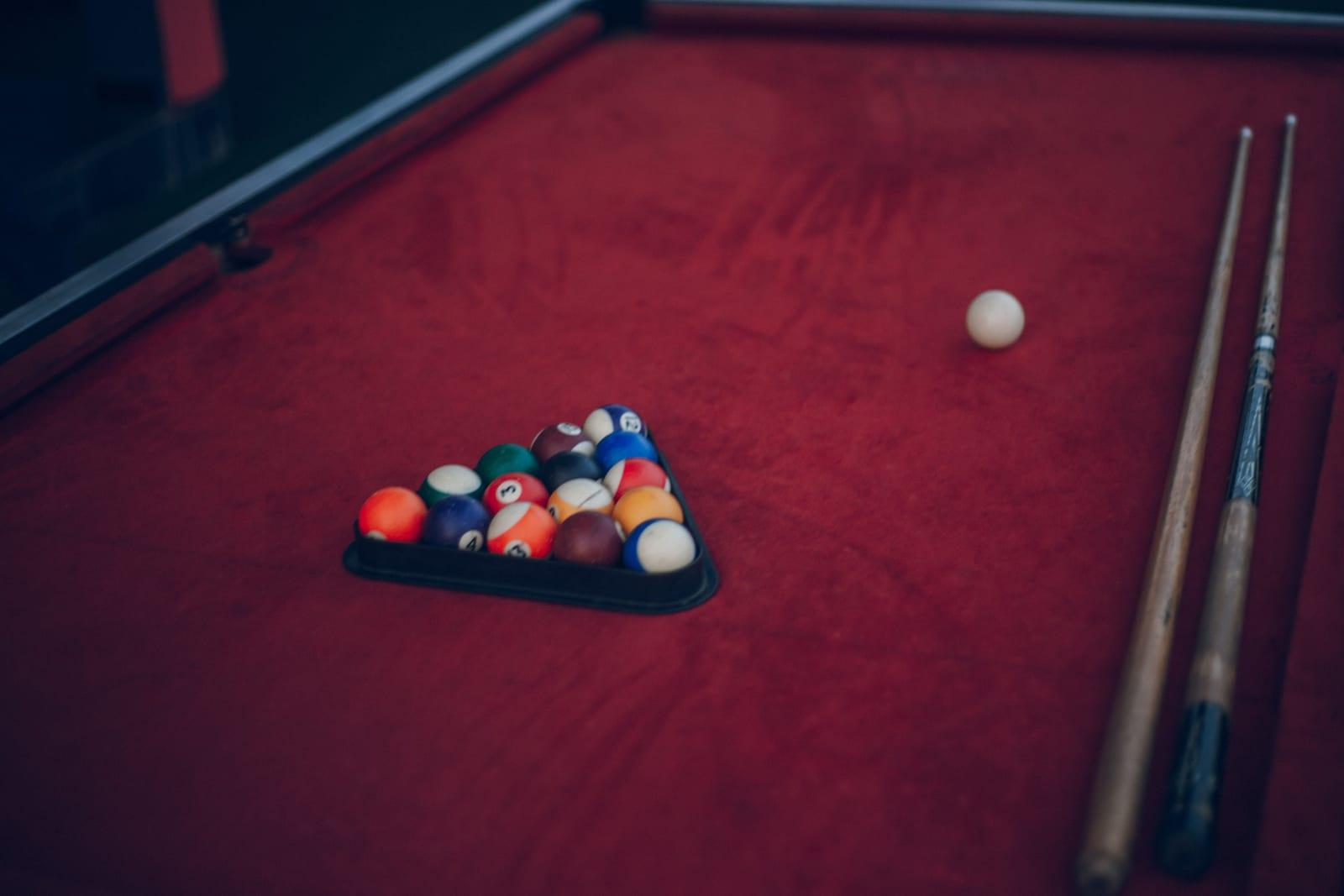 Aramith Premier Billiard Ball Set | Almost every home table | Phenolic resin | |
| 2 | Aramith Continental Billiard Ball Set | Phenolic on a budget | Phenolic resin, entry | |
| 3 | 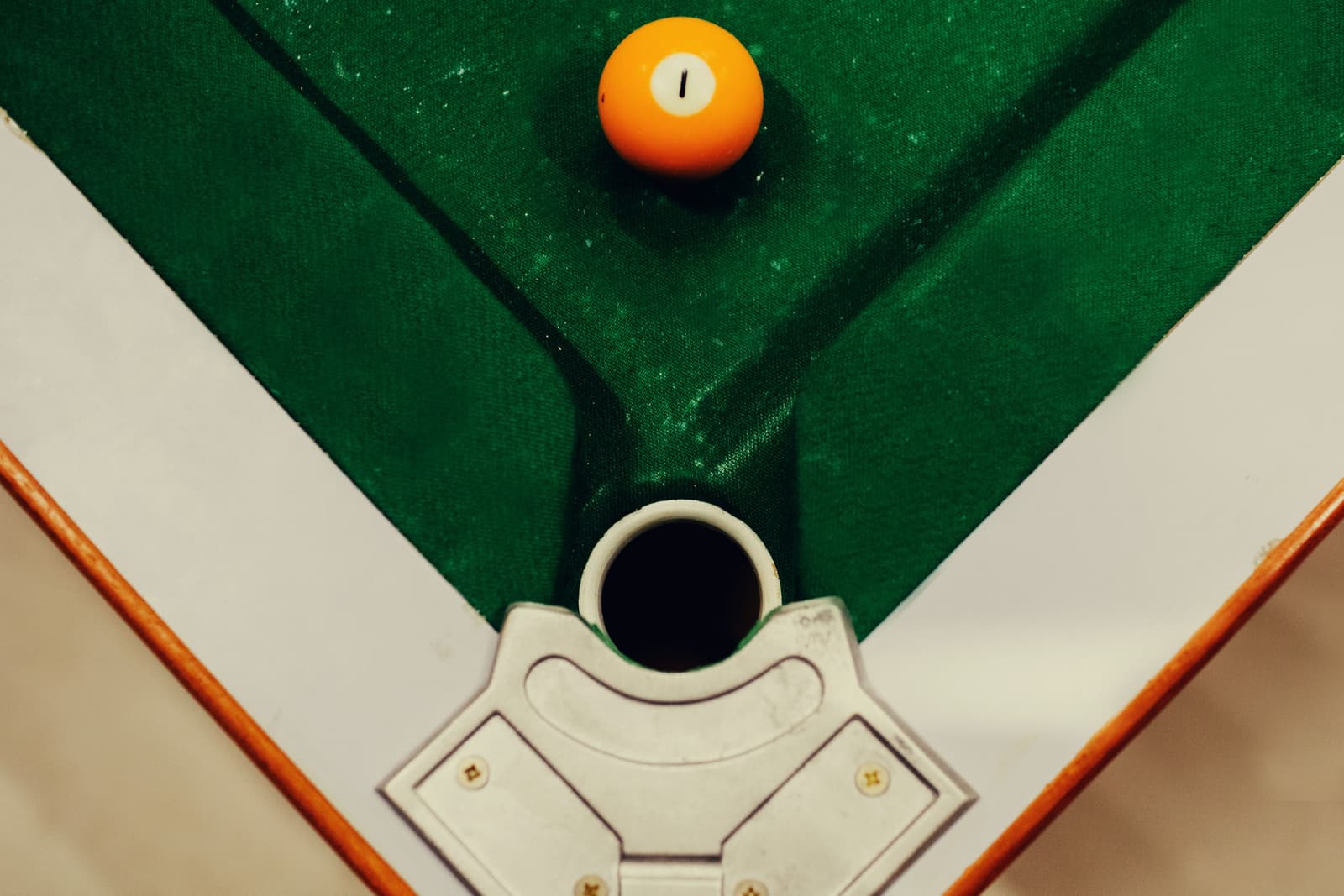 Aramith Crown Standard Ball Set with Magnetic Cue Ball | A coin-op or ball-return table | Phenolic, magnetic cue ball | |
| 4 | Aramith Tournament Pro Cup TV Ball Set | A table you are practicing seriously on | Phenolic, match grade | |
| 5 | 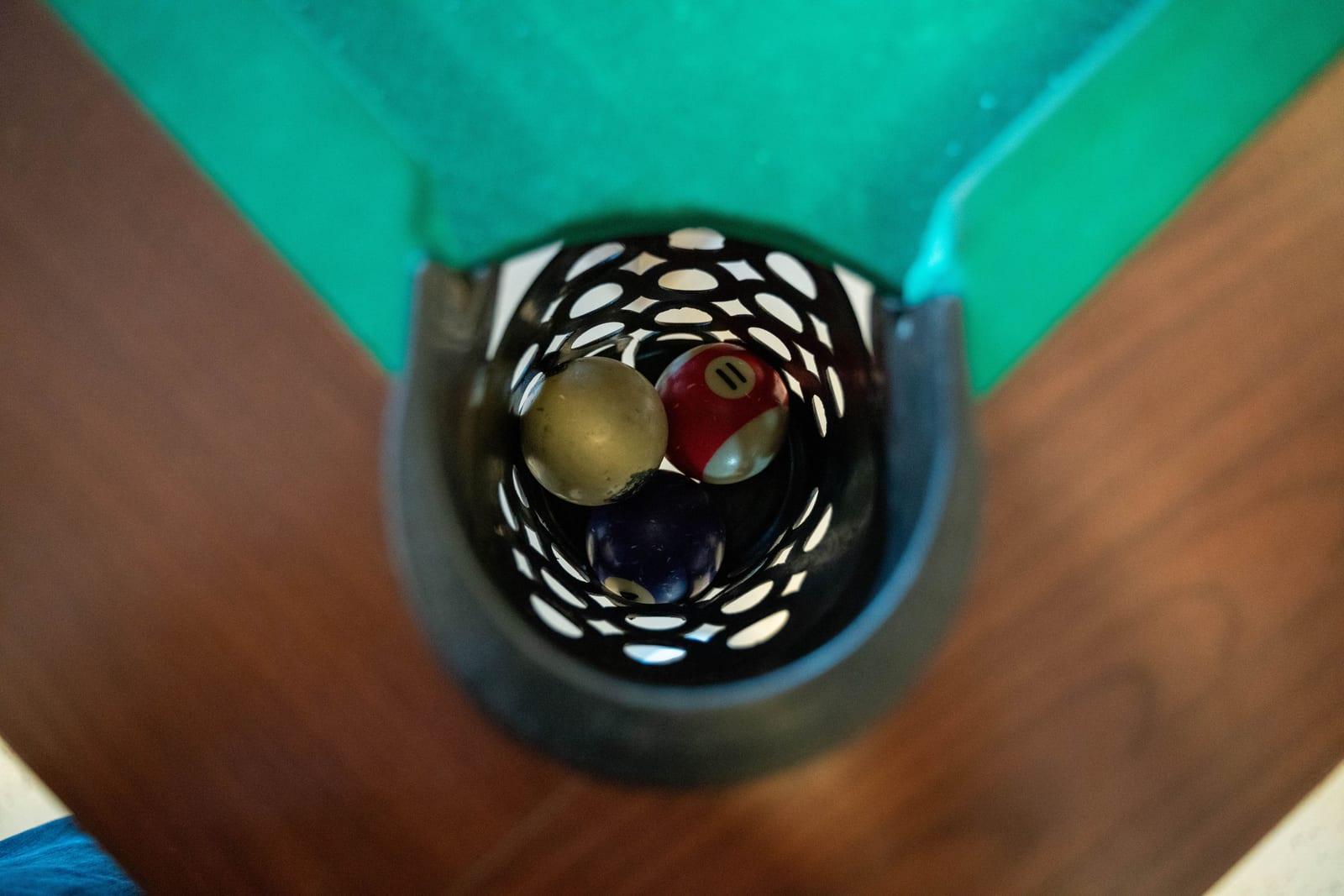 Viper Billiard Master 2-1/4 in Ball Set | A folding table, a kids' table or a garage spare | Polyester, 2-1/4 in | |
| 6 | 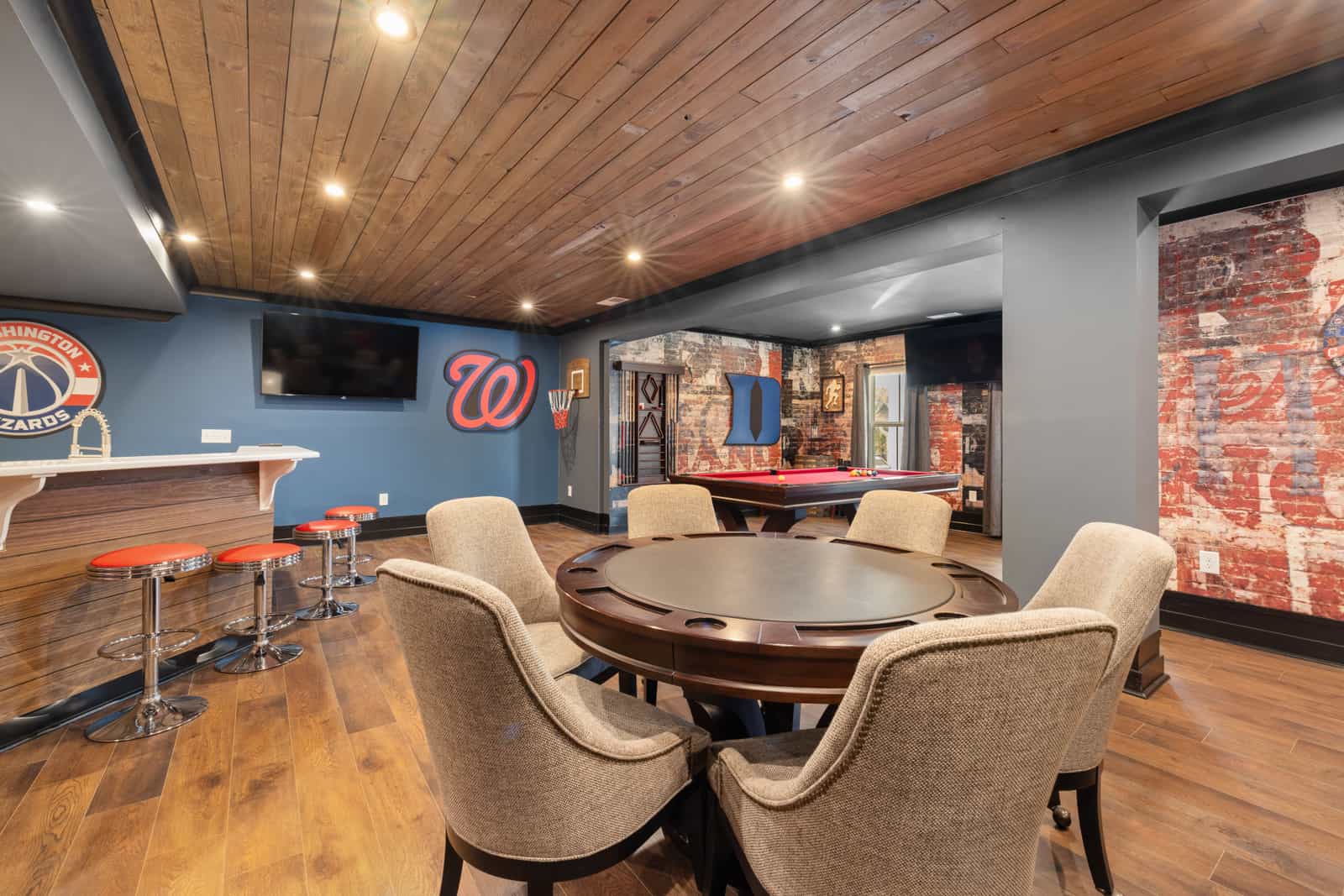 Aramith Duramith Magnetic Cue Ball | Fixing a ball-return table you already own | Single ball, magnetic |
The sets
Five full sets and one single cue ball, ordered by the table they belong on rather than by price. Two of the six exist to solve a ball-return compatibility problem, not to play better - check which mechanism your table uses first.
#1 · Almost every home table
Aramith Premier Billiard Ball Set
Phenolic resin balls. They stay round, they do not chip, and they are the cheapest upgrade that changes how a table plays.
The default, and the set most home tables should end up with. Aramith is the ball brand made by Saluc in Belgium, and Premier is the level at which you get the company's phenolic resin in a full 16-ball set without paying for the tournament tiers above it. Phenolic is the material difference that matters: it is harder than the polyester a cheap set is cast from, so the balls hold their shape and their polish instead of picking up burrs at the contact point and slowly going out of round. On a mid-price table, this set is a bigger improvement than a mid-price table would be on a cheap set.
- What works
- Phenolic resin rather than polyester, which is the whole argument in this category
- Widely stocked through billiards specialists and marketplaces, so it is easy to buy
- Holds polish and stays round, which is what makes a table play consistently years in
- What does not
- Several times the price of the set that came with your table
- Visually almost identical to a cheap set, so nobody will be impressed by it
- Still chips if you drop one on concrete - phenolic is hard, not indestructible
Skip it if: the table is a non-slate folding table for children. The balls would be the most expensive thing in the room.
#2 · Phenolic on a budget
Aramith Continental Billiard Ball Set
The entry point into Aramith phenolic resin: the same material family as the Premier set, in the cheapest full set the maker puts its name on.
The cheapest full set Aramith puts its own name on, and the sensible answer if the Premier set is more than you want to spend on balls. It is the same material family - cast phenolic resin from the same maker - at the entry rung of the range, and it is sold through billiards retailers rather than being a marketplace mystery brand. The honest framing is that you are buying the material, not the tier: a Continental set will outlast and out-roll any polyester set, and a Premier set will hold its finish longer than a Continental one.
- What works
- Phenolic resin at roughly a third of what the Premier set costs
- A named maker with a published range, rather than an unbranded 'AAA grade' listing
- The best value point in the category for a table that gets played weekly, not daily
- What does not
- Entry-tier finish: it will dull faster than the sets above it
- Thinner retail availability than Premier, so stock comes and goes
- Not the set to buy if you are also going to resent not having bought the Premier
Skip it if: you plan to keep this table for twenty years. The step up is small money spread over that long.
#3 · A coin-op or ball-return table
Aramith Crown Standard Ball Set with Magnetic Cue Ball
A full set sold with a magnetic cue ball instead of a plain one - the version that works on a table with a coin-op or ball-return mechanism.
This is the pick most people with a ball-return table do not know they need. A table with a return mechanism has to separate the cue ball from the object balls somewhere inside the cabinet, and it does that either by size or by magnetism. Drop a standard 16-ball set into a magnetic-detection table and the cue ball comes back down the rack chute with everything else - the mechanism has nothing to grab. This set is sold as a full phenolic set with a magnetic cue ball instead of a plain one, which is the version that works. Check which method your table uses before ordering, because the oversized-cue-ball tables need a different answer again.
- What works
- Solves a real compatibility problem rather than being a nicer version of the same thing
- Phenolic object balls, so the table plays properly as well as returning properly
- Sold as a set, so the cue ball matches the object balls in finish and weight class
- What does not
- A magnetic cue ball is slightly heavier than a plain one and some players feel it off the break
- Wrong buy for a table that separates by cue ball size rather than magnetism
- Useless on a normal table without a return mechanism - you are paying for a feature you cannot use
Skip it if: your table has no ball return. There is no advantage to a magnetic cue ball on a drop-pocket table.
#4 · A table you are practicing seriously on
Aramith Tournament Pro Cup TV Ball Set
The set used on televised professional tables, with a spotted Pro Cup cue ball. Specialist retail only, at several times the price of a home set.
The set used on televised professional tables, with the spotted Pro Cup cue ball that lets a camera - and a player - read spin on the ball. Two reasons it is on this page rather than being dismissed as overkill. The first is that the spotted cue ball is a genuine training tool: you can see exactly how much side and follow you put on, which is feedback no plain cue ball gives you. The second is that if you are practicing to play in leagues, learning on the ball set the matches are played with is not vanity. For everyone else, it is several times the Premier set for a difference you will not feel.
- What works
- The spotted cue ball shows your spin back to you, which is real practice feedback
- Match-grade tolerances, so the set behaves the way a tournament set behaves
- The same balls used on televised professional tables, if that matters to you
- What does not
- Several times the price of the Premier set for a difference most players cannot feel
- Specialist retail only; it is not a marketplace purchase
- The spotted cue ball looks wrong to guests, and some people genuinely dislike it
Skip it if: the table is for the family rather than for practice. The money belongs in the cloth or the light.
#5 · A folding table, a kids' table or a garage spare
Viper Billiard Master 2-1/4 in Ball Set
A complete 16-ball set at regulation 2-1/4 in diameter, at the price of a tin of chalk and a cue tip. Polyester, not phenolic, and sold as such.
The honest budget pick, named as what it is: a complete 16-ball set at the regulation 2-1/4-inch diameter, cast from polyester rather than phenolic, for roughly the price of a cue tip and a tin of chalk. There is a right table for this set. A 6-foot folding table, a children's table, a garage table that gets played twice a summer, or a spare set to keep in the cabinet so nobody halts the game hunting for the 8 ball - on any of those, spending ten times as much on balls would be the wrong allocation of money. On a slate table you play weekly, it is a false economy.
- What works
- Regulation 2-1/4-inch diameter, so it fits any standard American table and pocket
- Cheap enough to buy as a second set or a spare without thinking about it
- A named brand with a published size, rather than an unmeasured generic set
- What does not
- Polyester: it picks up burrs at the contact point and goes slightly out of round over time
- Dulls visibly within a year or two of regular play and polish does not bring it back
- Lighter-feeling off the cue than phenolic, which flatters a bad stroke and hides a good one
Skip it if: the table is slate and gets played every week. Buy phenolic once instead of polyester three times.
#6 · Fixing a ball-return table you already own
Aramith Duramith Magnetic Cue Ball
One ball, not a set. The fix for a ball-return table whose oversized or weighted cue ball plays nothing like the object balls.
One ball, not a set, and for a specific household the cheapest fix on this page. If your ball-return table came with a magnetic cue ball that is chipped, lost or playing nothing like the object balls around it, you do not need a new set - you need this. A mismatched cue ball is the most common quiet fault on a home ball-return table: it is often a cheaper casting than the object balls, so it takes spin differently, and every player blames the table. Replacing one ball with a phenolic magnetic one from a maker that publishes a range costs a fraction of a set and fixes the shot.
- What works
- Fixes the single worst-matched ball on most ball-return tables for a fraction of a set
- Phenolic, so it behaves like the object balls on a decent set rather than against them
- The right answer when the only problem is a lost or chipped cue ball
- What does not
- Not a set - the object balls are whatever you already have
- Wrong for a table that separates the cue ball by size rather than magnetism
- A premium cue ball against cheap polyester object balls is a half-solved table
Skip it if: your object balls are worn out too. At that point buy the set and be done with it.
How these were chosen
We have not run comparative wear tests on these balls, and this site publishes no scores, star ratings or review counts, because inventing them would be the easiest lie in this business. Every material, diameter, set composition and cue ball type below came from the manufacturer's or a stocking retailer's own published listing, each checked as currently sold while this page was written.
- The material is named. Phenolic resin or polyester. A listing that describes itself only as 'AAA grade' or 'professional' has told you nothing, and there are a great many of those.
- The diameter is published. 2 1/4 inches for the American game. A set sold without a stated diameter cannot be matched to a table's pockets or its ball return.
- The cue ball is identified. Plain, magnetic, oversized or spotted. This is the single most common mismatch in the category and the listings routinely bury it.
- It covers a different table, not a different price. A family folding table, a weekly slate table, a ball-return table and a practice table want four different answers, and all four are here.
- No lifespan multipliers. The durability claims printed on retail listings have no published testing behind them and are not quoted as fact on this page.
Ball-return tables are the complication
A table with a ball return has to tell the cue ball apart from the other fifteen, because the cue ball goes back to the player and the object balls go into the rack. There are two mechanisms in common use and they need different balls. Size-based separation uses an oversized cue ball - usually a little over 2 3/8 inches - which rides over a ramp the smaller balls fall through. Magnet-based separation uses a standard-diameter cue ball with a magnetic core, which a magnet in the chute diverts.
Buy the wrong one and the table stops working in an obvious way: either the cue ball disappears into the rack with everything else, or it jams. Several tables in this site's own registry are ball-return designs, so this is not a niche problem - and it is why a magnetic set and a single magnetic cue ball both appear in the picks above. The oversized route is the honest weak spot of a ball-return table: an oversized cue ball is heavier and larger than the balls it strikes, and it plays noticeably differently.
Looking after a set
Balls get dirty from the cloth, not from hands: chalk dust and cloth fibers transfer onto them on every shot and build into a film that is slightly tacky, which makes the balls skid instead of rolling cleanly and transfers that same grime back into the nap. Wiping a set down with a damp cloth every few sessions is the whole maintenance routine for most people, and it does more for how a table plays than most things you could buy.
Ball restorers and polishing compounds exist and they work, within limits: they remove the film and some surface haze, and they do not bring back a ball that is out of round. The honest rule is that polish fixes dirt and nothing fixes geometry. The accessories page covers the brush and cloth routine that keeps the grime off the balls in the first place, and the felt guide covers what the cloth is doing to them.
Store them out of sunlight. The same UV that bleaches cloth yellows the white of a cue ball and fades the reds, which is cosmetic rather than functional but permanent. A ball tray under the table or inside a closed cabinet solves it, and so does a cover over the table if the room gets direct sun.
Where a ball set sits in the spending order
Ahead of nearly everything except getting the table level and getting a light over it. A correctly leveled mid-price table under a proper fixture, with a phenolic set on it, plays better than an expensive table set up badly in a dark room with the balls it shipped with. The pool table light height page covers the fixture, how to level a pool table covers the leveling, and this is the third of the three.
It also sits ahead of a cue upgrade for most players, which is the less popular half of that opinion. A ball set changes every shot on the table for everyone who plays on it; a better cue changes shots for the one person holding it, and only once their stroke is consistent enough to notice. How to choose a pool cue is the page for when that point arrives. The same logic runs across the room: on the darts side the equivalent small purchase that changes every throw is the fixture, which is why the dart board lights roundup sits ahead of a better set of darts.
Prices, and why there are none on this page
Ball sets span an unusually wide range and the individual listings move constantly: specialist billiards retailers discount Aramith tiers against each other, and the budget sets are marketplace stock with weekly promotional pricing. Printing a number would mean printing a number that is wrong next month, so every button here goes to the live listing instead. In rough brackets: a polyester set is the cheapest item on this site, the entry phenolic set is a mid two-figure purchase, a single replacement magnetic cue ball sits just above that, the mainstream phenolic sets run into the low hundreds, and the televised match set is several times those.
What we have not done
We have not measured these balls, weighed them, or run wear comparisons over the years it would take to show which polish lasts. Every material, diameter, set composition and cue ball type above is from a published manufacturer or stocking-retailer listing, checked as currently sold while this page was written; the 2 1/4-inch and 5 1/2 to 6-ounce figures are the governing body's published equipment specification. The judgments - that phenolic holds its shape and polyester does not, that a mismatched cue ball is the quiet fault on most ball-return tables, that balls come before cues in the spending order - follow from the material properties and from how the mechanisms work. Where a figure could not be verified, it is not on this page.